 جيفينج سيراميك
مواد السيراميك زركونيا
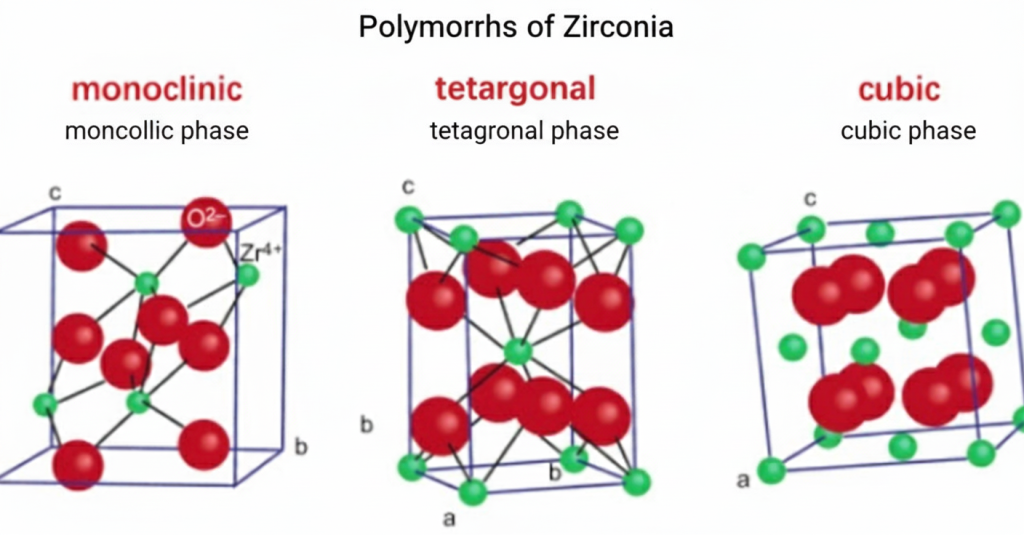
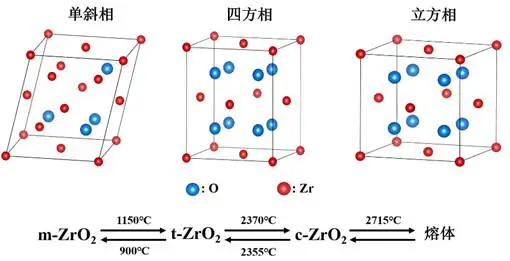
الزركونيا هو أكسيد بلوري أبيض يتكون من الزركونيوم (زر) والأكسجين (يا), مع الصيغة الكيميائية ZrO₂. يوجد الزركونيا النقي في ثلاث مراحل بلورية عند درجات حرارة مختلفة: أحادي الميل (م-ZrO₂), رباعي الزوايا (تي-ZrO₂), ومكعب (ج-ZrO₂).
الانتقال من الطور الرباعي إلى الطور أحادي الميل يتبعه زيادة في الحجم بحوالي 3-5% مما قد يسبب تشققات في السيراميك عندما يبرد. لمعالجة هذه القضية مثبتات (مثل أكسيد الإيتريوم AND₂OR₃, أكسيد المغنيسيوم MgO أكسيد الكالسيوم CaO وهكذا.) وعادة ما تستخدم لتثبيت البلورات ذات درجة الحرارة العالية, مما يؤدي إلى “تشديد مرحلة التحول” آلية وزيادة قوة كسور المادة بشكل ملحوظ.
زركونيا (زرو₂) السيراميك بسبب خواصه الميكانيكية المتميزة وخواصه الفيزيائية والكيميائية المميزة, تحتل مكانة أساسية في مجال السيراميك المتقدم. وهي معروفة أيضًا في الصناعة باسم “فولاذ سيراميك,” يتم استخدامه على نطاق واسع في مجالات التكنولوجيا العالية مثل الفضاء, الطب الحيوي الإلكتروني والاتصالات وكذلك الآلات الدقيقة مما يجعلها واحدة من المواد الأساسية المستخدمة في التصنيع الحديث.
الأشكال البلورية للزركونيا
- الهيكل البلوري: ينتمي إلى المجموعة الفضائية P2₁/c, يُظهر تناسقًا منخفضًا نسبيًا في البنية البلورية وترتيبًا ذريًا فضفاضًا نسبيًا. تحتوي خلية الوحدة على تناظر أحادي الميل.
- ظروف الاستقرار:تحت درجة الحرارة والضغط العاديين, يوجد ثاني أكسيد الزركونيوم في المرحلة أحادية الميل, وهي المرحلة المستقرة لثاني أكسيد الزركونيوم في درجة حرارة الغرفة.
- الخصائص الفيزيائية:الكثافة تقريبًا 5.65-5.68 جم/سم3, ولها صلابة منخفضة نسبيا. الهيكل البلوري عرضة للتشوه تحت الضغط.
- الهيكل البلوري:عضو في المجموعة الفضائية P4₂/nmc وله خلية رباعية الزوايا, وترتيب منتظم ومنتظم للذرات, مع أعلى التماثل للبلورات.
- ظروف الاستقرار:كما ترتفع درجة الحرارة إلى حوالي 1150 درجة مئوية, زركونيا أحادية الميل تخضع لمرحلة استطالة, والذي يتحول إلى المرحلة الرباعية. الطور الرباعي مستقر في نطاق درجة الحرارة بين 1150 درجة مئوية -2370 درجة مئوية.
- الخصائص الفيزيائية:الكثافة حولها 6.10 جم/سم3, ويتم تعزيز الصلابة والقوة بالمقارنة مع أحادي الميل. يتمتع الهيكل البلوري بثبات جيد في درجات الحرارة المرتفعة .
- الهيكل البلوري:عضو في المجموعة الفضائية Fm3m ولديه خلية وحدة مكعبة مثالية, وترتيب متماثل للغاية من الجزيئات, مما يجعل هذه المرحلة الأكثر تجانسًا لبلورات ثاني أكسيد الزركونيوم.
- ظروف الاستقرار:إذا ارتفعت درجة الحرارة إلى 2370 درجة مئوية, يتحول الجزء الرباعي من ثاني أكسيد الزركونيوم إلى الطور المكعب. إنه مستقر فوق النطاق 2370 درجه مئوية -2715 درجه مئوية (ذوبان النقطة).
- ملكيات: تبلغ كثافتها حوالي 6.27 جم/سم3, ولديه أعلى قوة, بالإضافة إلى الصلابة والاستقرار الحراري, يُظهر هيكله أداءً متميزًا حتى في درجات الحرارة المرتفعة.
هذه الأشكال البلورية الثلاثة من الزركونيا تتغير نوعًا ما إلى بعضها البعض بناءً على درجات الحرارة المختلفة والبيئة الكيميائية المحيطة, وما تستخدم من أجله, تغيير الكثير أيضا, اعتمادا على التركيب البلوري الفعلي. إذا قمت بضبط درجة الحرارة , تشمل المثبتات, واستخدام بعض التقنيات الأخرى، ثم يمكن تعديل إطار كريستال الزركونيا بحيث يناسب متطلبات المهام في المجالات المختلفة.
الأداء والمزايا الأساسية لسيراميك الزركونيا
ملكية | القيمة النموذجية | وحدة | ملاحظات |
كثافة | 5.85 – 6.05 | جم/سم3 | كثافة عالية |
صلابة فيكرز | 1200 – 1400 | الجهد العالي | مقاومة التآكل ممتازة |
قوة العاطفة | 900 – 1200 | MPa | قدرة تحمل عالية |
صلابة الكسر | 8 – 12 | ميجاباسكال·م^1/2 | السمة الرئيسية ل “فولاذ سيراميك” |
معامل مرن | 200 – 220 | المعدل التراكمي | صلابة جيدة |
ما وراء الخواص الميكانيكية, يتمتع سيراميك الزركونيا باستقرار فيزيائي وكيميائي ملحوظ.
- مقاومة لدرجات الحرارة العالية:يمكن أن تصل نقطة الانصهار إلى 2715 درجة مئوية. عملية مستقرة في بيئات درجة الحرارة العالية.
- مقاومة التآكل:مقاومة قوية للمواد الكيميائية مثل الأحماض, القلويات, وكذلك الأملاح المناسبة للظروف البيئية القاسية.
- الموصلية الحرارية: يمكن أن تكون الموصلية الحرارية منخفضة مثل مجرد 2-3 ث/(عضو الكنيست) وهذا يجعلها عزل حراري ممتاز.
- التمدد الحراري جمعامل: تقريبًا 10.5 × 10⁻⁶/ك, قريبة جدا من المواد المعدنية (على سبيل المثال. فُولاَذ) وتسهيل ربط المواد المركبة والترابط مع المواد المعدنية.
- بالتوافق التام:المادة غير سامة وغير مزعجة, لديها توافق حيوي جيد مع الأنسجة البشرية, مما يجعلها طبية حيوية مثالية مادة.
جدول خصائص سيراميك الزركونيا
ملكية | وحدة | Z-100 | Z-200 | Z-300 | ZM-100 | زب-100 |
|---|---|---|---|---|---|---|
تكوين المواد | – | ZrO₂-Y₂O₃ | ZrO₂-Y₂O₃ | ZrO₂-Y₂O₃ | ZrO₂-Y₂O₃ | ZrO₂-Y₂O₃ |
لون | – | أبيض | أبيض | أبيض | أصفر | أزرق |
كثافة | جم/سم3 | 6.00 | 6.03 | 6.04 | 5.70 | 6.03 |
قوة العاطفة | MPa | 900 | 950 | 1100 | 450 | 1100 |
قوة ضاغطة | MPa | 2100 | 2200 | 2300 | 1600 | 2300 |
معامل مرن | المعدل التراكمي | 200 | 210 | 220 | 210 | 220 |
صلابة الكسر | ميجاباسكال·م¹/² | 9.0 | – | 9.0 | 5.5 | 7.0 |
نسبة بواسون | – | 0.3 | 0.3 | 0.3 | 0.3 | 0.3 |
صلابة (HRA) | HRA | 89 | 90 | 90 | 88 | 90 |
صلابة فيكرز | HV1 | 1250 | 1450 | 1450 | 1240 | 1450 |
معامل التمدد الحراري | 10⁻⁶/ك | 10 | 10 | 10 | – | 10 |
الموصلية الحرارية | ث/(م·ك) | 3 | 3 | 3 | 3 | 3 |
مقاومة الصدمات الحرارية | ΔT درجة مئوية | 400 | 400 | 400 | – | 400 |
ماكس استخدام درجة الحرارة (أكسدة) | درجة مئوية | 1000 | 1000 | 1000 | 850 | 1000 |
ماكس استخدام درجة الحرارة (تخفيض/خامل) | درجة مئوية | 1000 | 1000 | 1000 | 850 | 1000 |
مقاومة الحجم (20درجة مئوية) | أوه · سم | 10¹³ | 10¹² | 10¹² | 5×10¹³ | 10¹² |
قوة عازلة | كيلو فولت / مم | 19 | 15 | 17 | 19 | 17 |
ثابت العزل الكهربائي (1ميغاهيرتز) | – | 28 | 30 | 30 | 27 | 30 |
فقدان العزل الكهربائي (تانδ) | – | 2×10⁻³ | 2×10⁻³ | 2×10⁻³ | 2×10⁻³ (1غيغاهيرتز) | 2×10⁻³ |
كيف يتم تصنيع سيراميك الزركونيا?

- زركونيا اقتناء المواد الخام: عادة ما يتم سحب الزركونيا من الزركون (ZrSiO₄) باستخدام الطرق الكيميائية أو في بعض الأحيان أساليب أسلوب الصهر الكهربائي. أنت تعرف, إنه نوع من سير العمل القياسي الذي يستشهد به الناس.
- الطريقة الكيميائية: يتفاعل الزركون مع مواد قلوية مثل هيدروكسيد الصوديوم, إنتاج زركونات الصوديوم, ثم يمر عبر التحمض, تساقط, والتكليس , لينتهي مع زركونيا. النتائج عادة ما تكون عالية النقاء, لكن العملية برمتها تبدو معقدة بعض الشيء, كما أنها تميل إلى أن تكون معقدة ومكلفة.
- طريقة الصهر الكهربائي: يتم تسخين الزركون وصهره عند درجات حرارة عالية جدًا داخل فرن القوس الكهربائي ويتم إضافة عوامل اختزال مثل الكربون حتى يمكن المضي قدمًا في التفاعل.. بعد ذلك يتحلل الزركون إلى زركونيا وثاني أكسيد السيليكون , ويترك ثاني أكسيد السيليكون على شكل غاز, أي نوع من يركز الزركونيا. وهذا النهج أقل تكلفة بشكل عام, كما أنها تناسب الإنتاج واسع النطاق بشكل أفضل.
- الضغط الجاف: يتم مزج مسحوق الزركونيا جيدًا إلى حد ما مع كمية مناسبة من المادة الرابطة ومواد التشحيم, ثم يوضع في قالب ويضغط باستخدام المكبس, للضغط, وإعطائها الشكل النهائي. بشكل عام، يعد هذا طريقًا مباشرًا ويعمل بشكل أفضل عندما تكون الأجزاء بسيطة نوعًا ما من حيث الشكل الهندسي وعلى الجانب الأصغر, ولكن توحيد كثافة الجسم الأخضر, للأسف, ضعيف نسبيا.
- الضغط متساوي الضغط: يتم تحميل المسحوق في قالب مرن ومن ثم وضعه داخل حاوية الضغط العالي. يتم توصيل الضغط بالتساوي من خلال وسط سائل بحيث يتم ضغط المسحوق وتشكيله في نفس الوقت من جميع الاتجاهات بشكل أساسي. مع هذا النهج فإنك تميل إلى الحصول على أجسام خضراء ذات كثافة أكثر اتساقًا, بالإضافة إلى قوة أعلى أيضًا. كما أنها تميل أيضًا إلى ملاءمة المنتجات ذات الأشكال المعقدة واحتياجات الأداء الأكثر تطلبًا
- صب الانزلاق: يتم خلط مسحوق الزركونيا مع الماء, المشتتات , وبعض الإضافات الأخرى, لصنع ملاط يتم سكبه بعد ذلك في قالب جبس مسامي. حيث أن الجبس يمتص الماء, فإنه يستنزف الطين ببطء, بينما تستقر الجزيئات على جدار القالب, بناء النموذج المقصود. تُستخدم هذه الطريقة بشكل شائع عند تصنيع أجزاء خزفية كبيرة ذات خطوط معقدة, ومع ذلك فإن كثافة وقوة الجسم الأخضر الناتج عادة ما تكون أقل.
- صب الصحافة الساخنة:عند درجة حرارة أعلى قليلاً حوالي 60-100 درجة مئوية , يتم تقليب مسحوق الزركونيا مع مواد رابطة مثل شمع البارافين لتكوين ملاط. ثم يتم دفع هذا الملاط إلى قالب معدني باستخدام الهواء المضغوط. بعد مرور الوقت الكافي تحت الضغط وتركه ليبرد, يتم إخراج قالب الشمع, وبعد ذلك يتم إزالة الشمع منه ليترك الجسم الأخضر. إجمالي, يعطي هذا النهج أجسامًا خضراء بأحجام دقيقة إلى حد ما, بالإضافة إلى سرعة الإنتاج الجيدة, ولكنه يميل إلى أن يكون خيارًا سيئًا لصنع مكونات كبيرة حقًا.
- صب الشريط:يتم خلط مسحوق الزركونيا بعمق مع المواد الرابطة العضوية, وكذلك الملدنات بحيث تتحول إلى معلق أكثر لزوجة . بعد ذلك, يتم نشر التعليق بالتساوي على الحزام الناقل بشفرة الطبيب بحيث يظل السماكة تحت السيطرة. بمجرد الانتهاء من التجفيف , وينتهي بك الأمر بجسم أخضر من النوع الرقيق. هذه التقنية جيدة للمواد ذات الأغشية الرقيقة , على الرغم من أن ذلك يعتمد حقًا على مراقبة معلمات العملية, لأن التغييرات الصغيرة يمكن أن تغير النتيجة النهائية.
- صب الحقن:يتم دمج مسحوق الزركونيا مع مادة رابطة لدنة بالحرارة بحيث يصبح الخليط مادة خام لقولبة الحقن. ثم يتم حقنه في القالب بواسطة آلة التشكيل بالحقن. الفائدة هي أنه يمكنك إنشاء عناصر ذات هندسة معقدة ودقة عالية إلى حد ما, وكفاءة الإنتاج قوية أيضًا, لكن الجانب السلبي هو أنك تحتاج إلى مواد خام مؤهلة جيدًا بالإضافة إلى معدات موثوقة.
- تلبيد الضغط:يتم وضع الجسم الأخضر الناتج في فرن عالي الحرارة, ومن ثم تسخينها إلى درجات حرارة معينة (عادة 1300-1500 درجة مئوية) في بيئة جوية تسمح للجزيئات الموجودة في اللون الأخضر للجسم بالتحرك والارتباط مع بعضها البعض وتحقيق التكثيف. تقنية التلبيد الأكثر شعبية, سهل الأداء, ولكنها تتطلب درجات حرارة عالية للتلبيد وكمية كبيرة من الطاقة. يتم تطبيق كل من درجة الحرارة والضغط في وقت واحد أثناء عملية التلبيد مما يسمح بتمدد اللون الأخضر للجسم بشكل أسرع تحت الضغط.. يمكن لهذه التقنية أن تقلل من درجة حرارة التلبيد وتزيد من أداء وكثافة الجسم الأخضر.
- الضغط المتوازن الساخن (خاصرة):يتم وضع الجزء الأخضر في الوعاء بالضغط العالي, ويتم تطبيق درجات الحرارة المرتفعة والضغط العالي في وقت واحد للسماح لخضراء الجسم بزيادة كثافته تحت ضغط موزع بشكل منتظم. هذه العملية يمكن أن تسفر عن كثافة عالية, سيراميك عالي الأداء.
- تلبيد الميكروويف: تستخدم هذه التقنية تفاعل المجال الكهرومغناطيسي الناتج عن الموجات الميكروية وكذلك المادة من أجل توليد الحرارة داخل المادة, مما يؤدي إلى التلبد السريع. هذه التقنية لها فوائد في التسخين الموحد ووقت قصير للتلبيد, وانخفاض استهلاك الطاقة. لكن, إنها عملية تتطلب الكثير من المواد الخام بالإضافة إلى معلمات العملية.
- تلبد شرارة البلازما (الصحة والصحة النباتية):يتم استخدام التيار النبضي لإنشاء تفريغ بين جزيئات المسحوق, مما يؤدي إلى ارتفاع درجات الحرارة والضغط, مما يسمح للجزء الأخضر من الجسم بالنمو بسرعة. تتميز هذه التقنية بدرجات حرارة منخفضة للتلبيد بالإضافة إلى أوقات تلبد أقصر, ويسمح لك بإنتاج كثافة عالية, السيراميك الحبيبات الدقيقة.
- بعد التلبد , يمكن أن يحتاج سيراميك الزركونيا إلى مزيد من المعالجة, مثل الطحن, تلميع, قطع, الحفر, أو علاجات أخرى, لذلك ينتهي الجزء بدقة الحجم المناسب وإحساس السطح. أيضًا, في بعض حالات الاستخدام غير العادية, قد تكون هناك حاجة إلى طبقة سطحية أو عملية تعديل , لتعزيز الأداء العام, ولإضافة وظائف محددة يجب أن يتمتع بها السيراميك.
تطبيقات سيراميك زركونيا
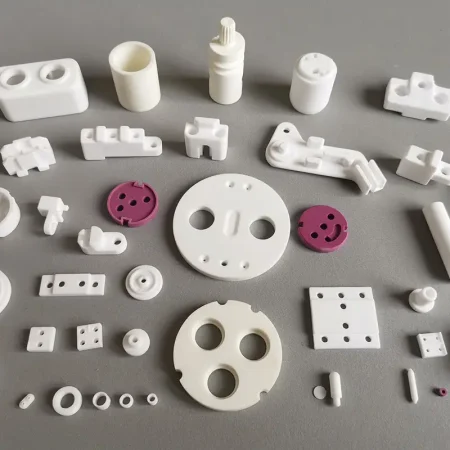
- ترميمات الأسنان: وتستخدم هذه لصنع تيجان الأسنان, الجسور, ترصيع, وحتى يزرع, حتى تحصل على توافق حيوي رائع, جماليات جميلة, قوة عالية وكذلك مقاومة التآكل. في الممارسة العملية، يقومون باستبدال الأسنان المكسورة, استعادة وظيفة المضغ, وجعل الابتسامة تبدو صحيحة مرة أخرى.
- المفاصل الاصطناعية: مثل مفاصل الورك أو الركبة الصناعية, أنها تعتمد على قوة عالية ومقاومة التآكل الصلبة, بالإضافة إلى التوافق الحيوي أيضًا, مما يساعد على تقليل استجابة الجسم لرفض الزرعة ويساعد أيضًا على إطالة عمرها, متأخر , بعد فوات الوقت.
- الأدوات الجراحية: تستخدم بعض الأدوات الجراحية مادة سيراميك الزركونيا. إنه مقاوم للتآكل ومقاوم للصدأ ويحافظ على حدته لفترة طويلة, لذلك فهو مناسب تمامًا للأماكن التي تحتاج فيها إلى أعلى مستويات النظافة والدقة أثناء العمليات.
- ركائز الدوائر المتكاملة: كمادة عازلة عالية الأداء, وينتهي الأمر باستخدامه في التغليف وفي الأجزاء الأساسية للدوائر المتكاملة, مع عزل كهربائي ممتاز, الاستقرار الحراري, والقوة الميكانيكية الصلبة. هذا المزيج, يساعد الجهاز الإلكتروني بأكمله على تحسين أدائه, ويعزز أيضًا الموثوقية في الممارسة العملية, حتى عندما تصبح الظروف قاسية.
- المواد العازلة عالية التردد: في الإلكترونيات عالية التردد، مثل أنظمة الاتصالات 5G, أو معدات الرادار - يمكن أن يكون سيراميك الزركونيا بمثابة طبقة عازلة, أو حتى كمادة عازلة. ويهدف هذا إلى تلبية متطلبات نقل الإشارات عالية التردد, مع تقليل فقدان الإشارة والتداخل. إنها طريقة مباشرة جدًا للحفاظ على نظافة الإشارة, والنتيجة أكثر استقرارا.
- السيراميك الكهرضغطي: باستخدام سلوكها الكهرضغطية, يصبح مناسبًا لصنع أجهزة الاستشعار, محولات الطاقة والمحركات. يمكنك رؤيته في أجهزة استشعار الضغط, أجهزة استشعار التسارع, ومحولات الطاقة بالموجات فوق الصوتية. يتم تطبيقه بشكل شائع عبر التحكم الآلي, التشخيص الطبي, والمراقبة البيئية, لأنه يستجيب بشكل جيد للتغيرات ويجعل التحويل يحدث بطريقة خاضعة للرقابة.
- مكونات المحرك:مثل شفرات التوربينات , بطانات غرفة الاحتراق, والفوهات - تعتمد على مقاومتها لدرجات الحرارة المرتفعة, قوتهم العالية, وكثافتها المنخفضة, وبالتالي ترتفع كفاءة المحرك وموثوقيته , وفي نفس الوقت يتم تقليل وزن الطائرة.
- أنظمة الحماية الحرارية:عند استخدامه كبلاط حراري, أو كطلاءات الحماية الحرارية, فهي تساعد على حماية الطائرة من التآكل الناجم عن تدفق الهواء الساخن أثناء الطيران عالي السرعة, أو أثناء إعادة الدخول في الغلاف الجوي, الحفاظ على سلامة هيكل الطائرة.
- يدعم هوائي الأقمار الصناعية:باستخدام طبيعتها خفيفة الوزن, صلابة عالية, واستقرار الأبعاد, يتم تحويلها إلى علب هيكلية لهوائيات الأقمار الصناعية, مما يحسن دقة توجيه الهوائي والاستقرار العام.
- مكونات المحرك: على سبيل المثال, تيجان المكبس, وكذلك حلقات مقعد الصمام, الاستفادة من المتانة الفائقة والعزل الحراري لسيراميك الزركونيا. أنها تعزز كفاءة المحرك, كفاءة الوقود, وكفاءة الطاقة, وكذلك إطالة عمر خدمة المحركات.
- حساسات الأوكسجين: يتم استخدامها لقياس كمية الأكسجين في عادم المحركات, مما يسمح بالتحكم الدقيق في معدل حقن الوقود, زيادة كفاءة الاحتراق وتقليل الانبعاثات.
- تشمل مكونات نظام الكبح: تستفيد أقراص ووسادات الفرامل في بعض السيارات العليا من سيراميك الزركونيا, مع مقاومة درجات الحرارة العالية وأداء مقاومة التآكل والكبح, تقليل المسافة إلى الكبح, وتحسين السلامة أثناء القيادة.
- محامل السيراميك: مع مقاومة للتآكل, مقاومة التآكل وكذلك مقاومة درجات الحرارة العالية والتشحيم الذاتي بدون زيت, إنها مناسبة لأنظمة النقل الميكانيكية عالية السرعة التي تتطلب دقة عالية في البيئات القاسية, مثل مروحة تبريد صغيرة, أدوات الآلات عالية الدقة مغزل الأدوات.
- صمامات سيراميك:تستخدم في البترول, الصناعات الكيميائية والمعدنية للتحكم في الضغط والتدفق توفر فوائد مثل مقاومة التآكل, مقاومة التآكل, وكذلك مقاومة درجات الحرارة العالية. إنهم قادرون على استبدال الصمامات المعدنية التقليدية, والتي يمكن تمديد وقت الخدمة.
- أدوات القطع, مثل أداة قطع السيراميك, التدريبات أو قواطع الطحن لديهم قوية, قوة عالية ومقاومة التآكل, مما يجعلها مثالية لمعالجة المواد عالية الصلابة مثل فولاذ الحديد الزهر الذي تم تصلبه, وكذلك السبائك ذات درجة الحرارة العالية. وهذا يحسن كفاءة المعالجة والدقة.
- خلايا وقود الأكسيد الصلب (مركبات الكربون الكلورية فلورية) من خلال الاستفادة من موصليتها لأيونات الأكسجين باعتبارها إلكتروليتات تسمح مركبات الكربون الكلورية فلورية بالتحويل الفعال للوقود بالإضافة إلى توليد الطاقة مما يوفر فوائد مثل تحويل الطاقة بكفاءة ومرونة واسعة في استهلاك الوقود وانخفاض التلوث البيئي.
- فواصل بطارية الحالة الصلبة: يتم تطبيقه في بطاريات الحالة الصلبة لتكون بمثابة قناة التوصيل الأيوني أو طبقة فصل للأقطاب الكهربائية, إنها تتميز بالثبات الميكانيكي والكيميائي المتميز والتوصيل الأيوني, زيادة كثافة الطاقة وأمن البطارية.
- استخدام الطاقة الشمسية الحرارية: مادة عازلة أو ممتصة للحرارة لمجمعات الطاقة الشمسية, فمقاومتها لدرجات الحرارة المرتفعة بالإضافة إلى مقاومتها للتآكل وموصليتها الحرارية العالية تزيد من فعالية استخدام الطاقة الشمسية.
- حلقات الألياف الضوئية & الأكمام: تستخدم داخل موصلات الألياف الضوئية, إنها مصنوعة بدقة شديدة, خسارة الإدراج منخفضة, والاستقرار الراسخ, لذلك تمر إشارات الألياف الضوئية بكفاءة, ويظل الاتصال موثوقًا به. في الممارسة العملية, لقد أصبحت نوعًا من الأجزاء المهمة لشبكات الاتصالات الضوئية, أنت تعرف, مثل الأشياء الصغيرة ولكن المهمة التي تجعل كل شيء يعمل.
- العوازل البصرية والدورات الدموية: سيراميك الزركونيا يجلب السمات البصرية والميكانيكية إلى اللعب. تم تصنيع هذه المكونات بحيث يمكنك تشكيل عازل بصري أو جهاز دوران, وهذا يساعد الإشارات الضوئية على التحرك في اتجاه واحد, ثم توجيه بشكل صحيح, والذي بدوره يعزز الأداء والاستقرار العام لأنظمة الاتصالات البصرية.
الأسئلة المتداولة حول سيراميك الألومينا
ما هي المزايا الرئيسية لسيراميك الزركونيا?
يتم تقدير سيراميك الزركونيا لقوته العالية وصلابة الكسر.
بالمقارنة مع معظم السيراميك التقنية, فهو أكثر مقاومة للتشقق والتأثير.
وهذا يجعلها مناسبة للتطبيقات التي تكون فيها الموثوقية الميكانيكية أمرًا بالغ الأهمية.
هل سيراميك الزركونيا أقوى من سيراميك الألومينا؟?
يتمتع سيراميك الزركونيا عمومًا بصلابة أعلى للكسر من سيراميك الألومينا, مما يعني أنها أقل هشاشة تحت الضغط الميكانيكي.
الألومينا, لكن, قد توفر مقاومة أفضل للتآكل واستقرارًا حراريًا في ظروف معينة.
يعتمد الخيار الأفضل على كيفية فشل المكون في التشغيل الحقيقي.
ما هو الزركونيا المستقرة باليتريا (YSZ)?
الزركونيا المستقرة بالإيتريا هي أكسيد الزركونيوم مع أكسيد الإيتريوم.
يعمل هذا التثبيت على تحسين استقرار المرحلة والمتانة.
إنها تسمح للمادة بالحفاظ على قوتها تحت الحمل والضغط الحراري.
هل يمكن استخدام سيراميك الزركونيا في البيئات ذات درجات الحرارة المرتفعة?
يعمل سيراميك الزركونيا بشكل جيد في درجات الحرارة المرتفعة وله موصلية حرارية منخفضة.
غالبًا ما يستخدم عندما يكون العزل الحراري أو الاستقرار الحراري مطلوبًا.
للتعرض طويل الأمد أو ركوب الدراجات الحرارية السريعة, وينبغي تقييم حدود التشغيل بعناية.
هل سيراميك الزركونيا مناسب للارتداء أو التطبيقات المنزلقة?
يمكن استخدام سيراميك الزركونيا في تطبيقات التآكل, خاصة عندما تكون مقاومة التأثير مهمة.
لظروف التآكل الكاشطة النقية, السيراميك الأخرى مثل الألومينا أو كربيد السيليكون
قد يقدم أداءً أفضل اعتمادًا على تصميم النظام.
كيف يعمل سيراميك الزركونيا في البيئات المسببة للتآكل?
يظهر سيراميك الزركونيا مقاومة ممتازة لمعظم الأحماض, القلويات, والمواد الكيميائية الصناعية.
وهذا يجعلها مناسبة للمعالجة الكيميائية وبيئات التشغيل المسببة للتآكل
حيث قد تفشل المكونات المعدنية بسرعة.
يمكن تخصيص مكونات السيراميك زركونيا?
نعم. يمكن تخصيص مكونات سيراميك الزركونيا في درجة المواد, مقاس, شكل,
الانتهاء من السطح, والتسامح.
يساعد التخصيص على ضمان الملاءمة المناسبة والأداء المستقر في ظل ظروف تشغيل محددة.
