عن خريطة الموقع |

عالي - Performance Zirconia Ceramic Valves Manufacturer & Supplier - جيفينج سيراميك

سيراميك زركونيا (زرو₂)/مكونات الصمامات السيراميكية/

عالي – الأداء صمامات زركونيا السيراميك

Body Material:Yttria-Stabilized Zirconia (YTZP)

Pressure Rating​:PN10 - PN40 (Class 150 - 300)

Temperature Range:-20°C to +400°C (up to 800°C short-term)

Size Range:DN15 - DN200 (1/2" - 8")

Connection Type:</strong>Flanged, Threaded, Wafer, Welded

Actuation:Manual, Pneumatic, Electric

Leakage Class:ANSI/FCI 70-2 Class VI (Zero leakage achievable with soft seal)

Applicable Media:Acids, Alkalis, Salts, Slurries, High-Purity Chemicals, Food, Pharmaceuticals, etc.

  • Product Details
  • How Zirconia Ceramic Valves Solve Industry Pain Points
  • Frequently Asked Questions (FAQ)

Zirconia Ceramic Valves: Setting New Standards for Fluid Control in Demanding Applications

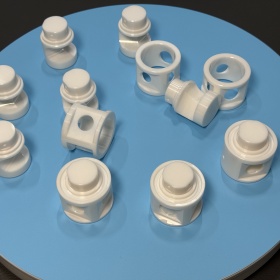
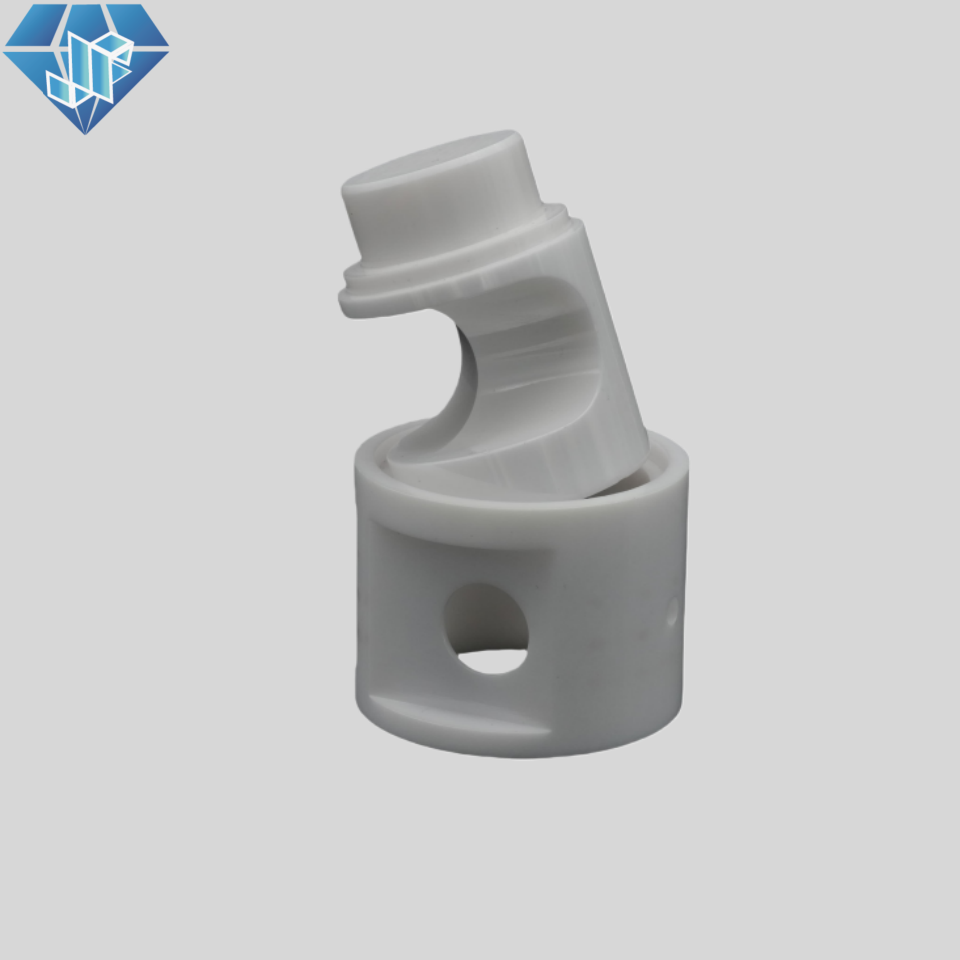
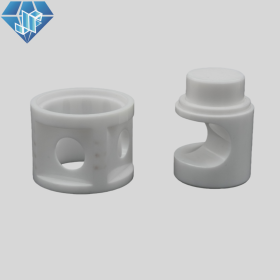
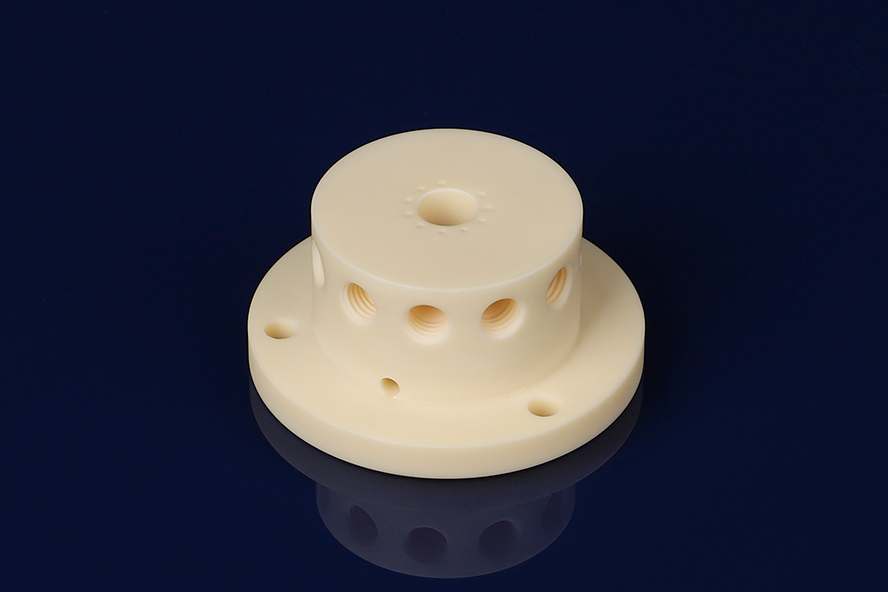
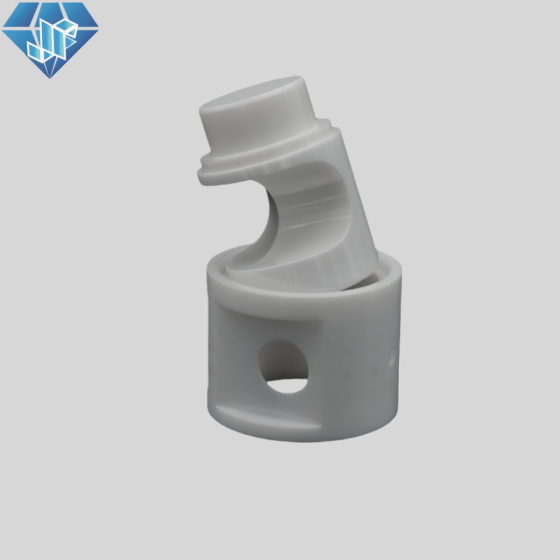
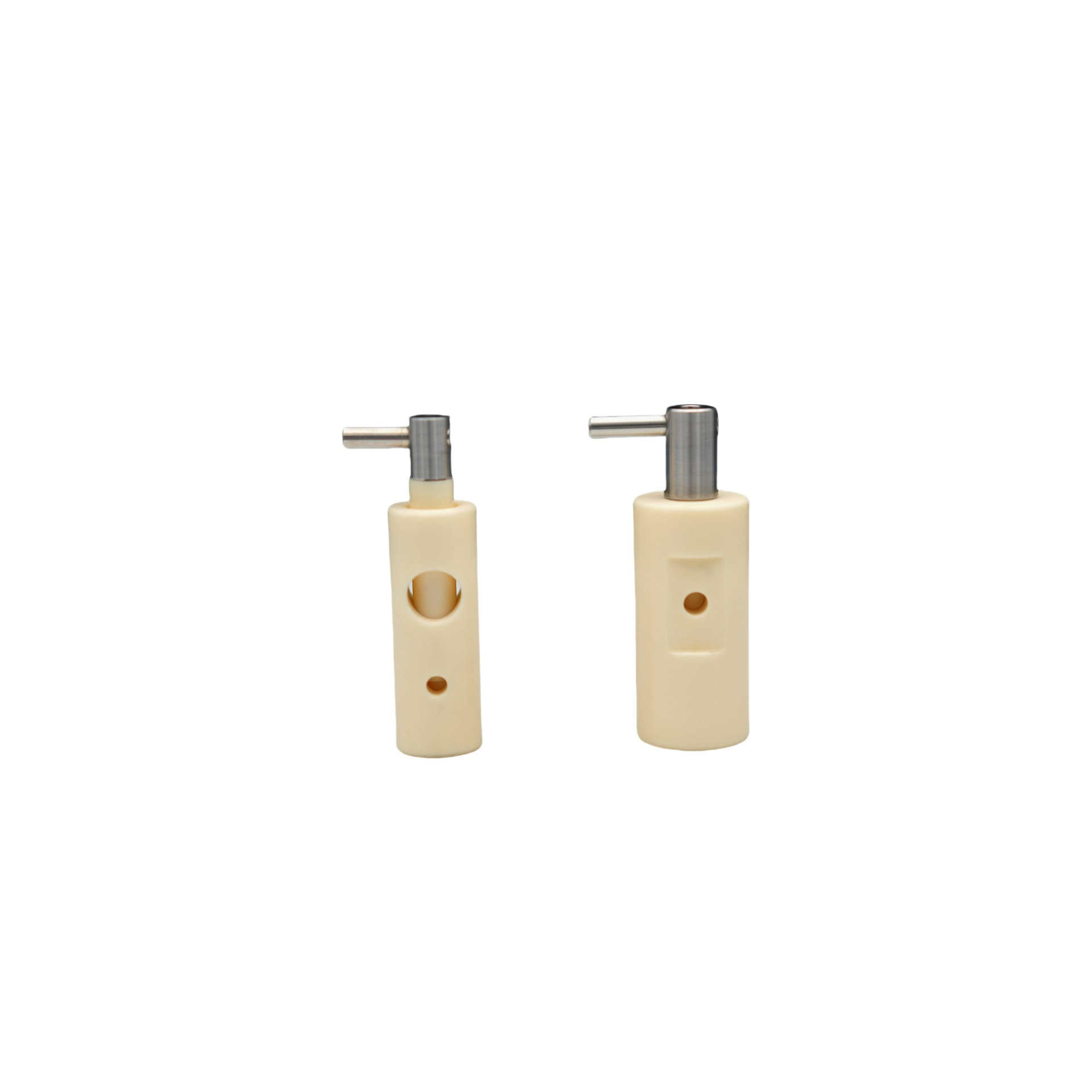
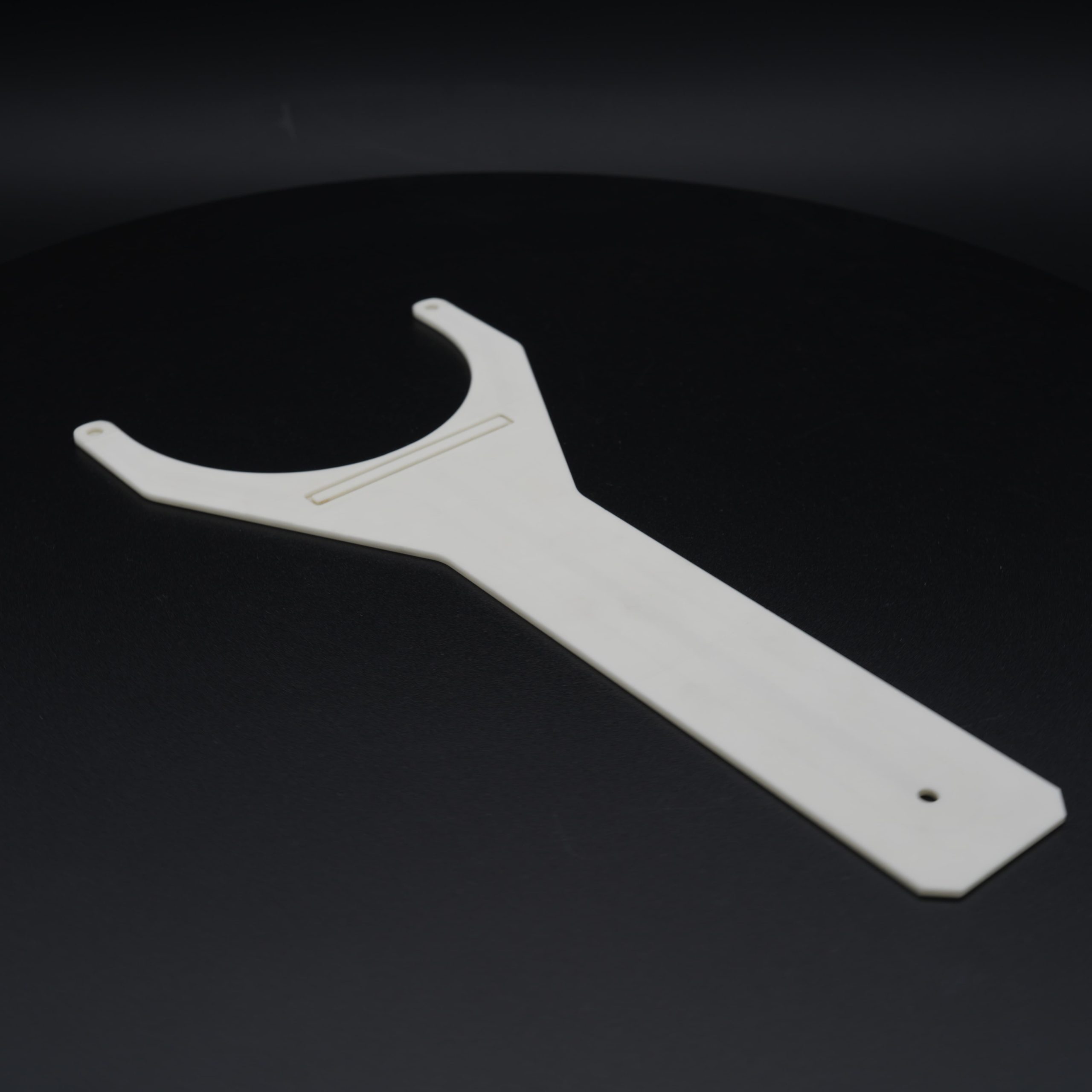
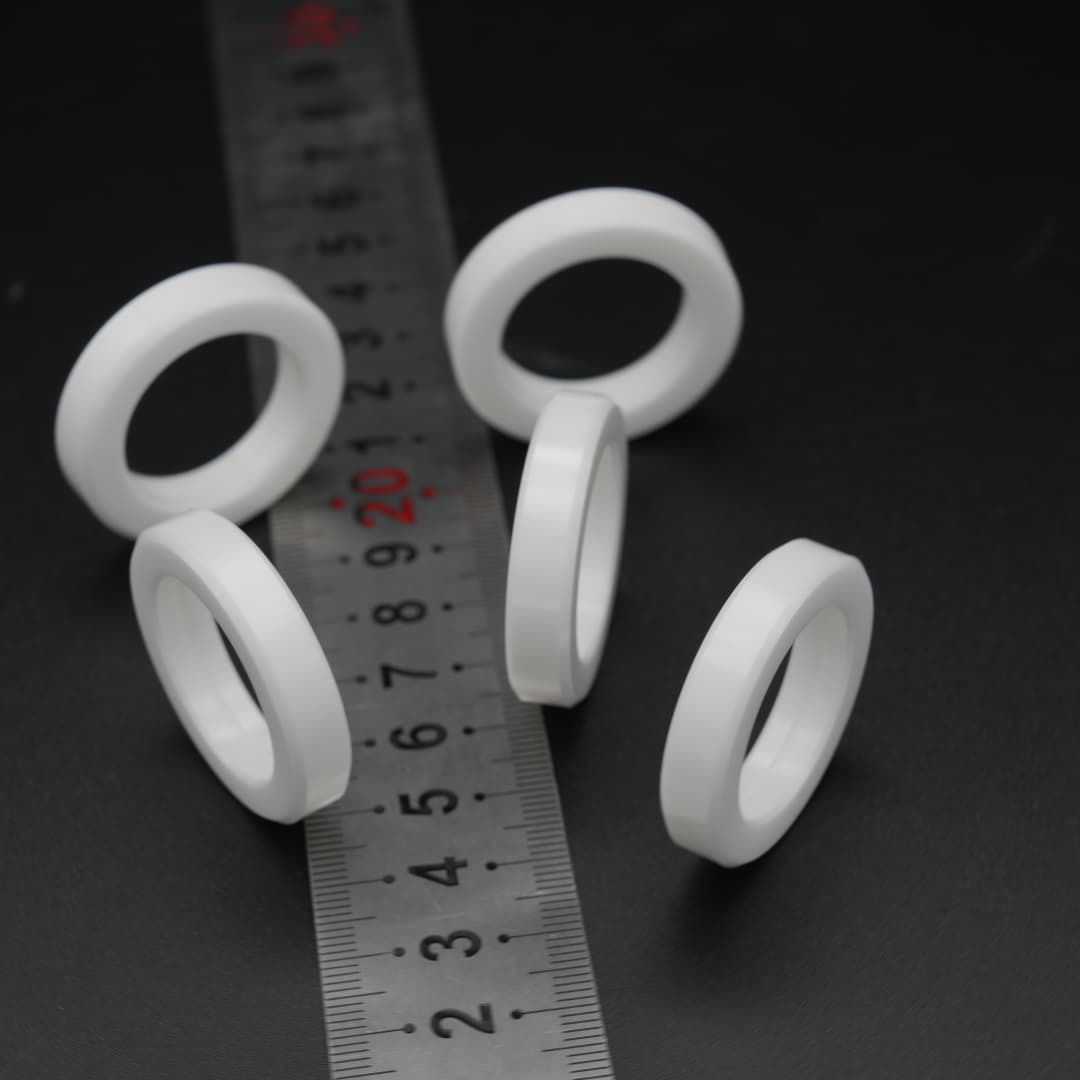
Zirconia Ceramic Valves rely on zirconia (زرو₂) مادة. خاصة, they use Yttria-Stabilized Tetragonal Zirconia Polycrystal (YTZP) ceramic. Manufacturers produce this ceramic by adding stabilizers like yttria. After sintering, the material features a unique phase transformation toughening mechanism. This mechanism endows the valves with extremely high fracture toughness and thermal shock resistance. It also overcomes the brittleness of traditional ceramics. Key valve components—such as the plug, seat, and sealing surfaces—use high-purity, high-density zirconia ceramic. This ensures excellent and consistent overall performance. بشكل ملحوظ, the white ceramic parts have a smooth, dense surface. Visually, this surface reflects their superior wear and corrosion resistance.Zirconia Ceramic Valves
Technical Specifications of Zirconia Ceramic Valves

First, zirconia ceramic boasts exceptional corrosion resistance. It has high chemical inertness. It resists most strong acids, alkalis, and organic solvents—except hydrofluoric acid and hot concentrated sulfuric acid. Its service life far outlasts that of special metal valves, such as stainless steel or Hastelloy.
Additionally, it offers superior wear resistance and hardness. Its Vickers hardness exceeds HV1300. Only diamond and silicon carbide rank higher. When handling particle-containing media or slurries, it effectively resists erosion and wear. This maintains precise mating of sealing surfaces long-term. بالتالي, it prevents internal leakage.
Moreover, the valves deliver excellent high-temperature resistance. They operate stably for long periods in oxidizing or inert atmospheres. The maximum operating temperature reaches 800°C without performance degradation. This makes them suitable for high-temperature flue gas, molten salt pipelines, and similar applications.
In terms of mechanical performance, they feature high strength and toughness. Thanks to phase transformation toughening, their flexural strength and fracture toughness lead among advanced ceramics. This allows them to withstand high pipeline pressure and mechanical shock.
Beyond that, they ensure excellent sealing performance. Manufacturers can precision-machine ceramic parts to a mirror-like finish. This achieves metal-to-ceramic or ceramic-to-ceramic hard sealing. The leakage class reaches ANSI/FCI 70-2 Class VI or above, realizing near-zero leakage.
Finally, the material offers bio-inertness and cleanliness. It is non-toxic and non-contaminating. Its surface is smooth and non-adherent. It complies with FDA requirements. This makes it ideal for food, pharmaceutical, and bioengineering applications.Zirconia Ceramic Valves

التطبيقات

In the chemical and petroleum industries, these valves convey and regulate aggressive media. Examples include strong acids, alkalis, salt solutions, solvents, and harsh oilfield fluids. They effectively solve corrosion and wear challenges in these sectors.
For the food and pharmaceutical industries, they serve as sanitary valves in CIP/SIP systems. They ensure media purity. Meanwhile, they prevent bacterial growth and cross-contamination.
In power and environmental protection fields, they find use in desulfurization, denitrification, fly ash handling, and coal-water slurry transport systems. They resist wear and corrosion in these harsh environments.
Within the semiconductor and electronics industries, they transport high-purity chemicals—such as acids, alkalis, and slurries. This avoids metallic ion contamination of sensitive electronic components.
Additionally, they suit the paper, metallurgy, and textile industries. They handle various corrosive and abrasive slurries and chemicals in these sectors.

Zirconia Ceramic Valves are the preferred solution for severe industrial fluid control challenges, thanks to their exceptional corrosion resistance, wear resistance, and high-temperature stability. Below are successful application cases across key industries, demonstrating the high-performance advantages of YTZP Ceramic Valves.

Case 1: Precise Control of Harsh Chemical Media

In the fine chemical industry, many process media, such as strong acids, alkalis, and organic solvents, are highly corrosive. Traditional alloy valves, even those made of Hastelloy or Titanium, often suffer from rapid corrosion and perforation, leading to downtime and safety risks.
Our corrosion resistant ceramic valve utilizes high-purity Zirconia (YTZP) مادة, which exhibits extreme chemical inertness. In the concentrated sulfuric acid transfer pipeline of a large chlor-alkali plant, our zirconia ceramic valves replaced imported alloy valves. Operational data showed that the service life of the ceramic valves was more than 8 times longer than that of the alloy valves, completely solving the problem of frequent valve replacement and significantly reducing maintenance costs and safety hazards.

Case 2: Durability for Highly Abrasive Slurries

Desulfurization systems in the mining, metallurgy, and power industries often involve the transportation of high-concentration, high-velocity solid particle slurries. This medium is fatal to valves due to erosion and abrasion.
Our ceramic valve for slurry is specifically designed to meet these challenges. Zirconia ceramic has a Vickers hardness exceeding HV1300, second only to diamond and silicon carbide. In the tailings slurry transportation system of a copper mine, traditional ball valves leaked due to wear after less than three months of use. After being replaced with our wear resistant valve, the valve's sealing performance and operational accuracy were maintained for over two years, effectively ensuring the continuous and stable operation of the production line. This fully demonstrates the irreplaceable nature of the ceramic valve for mining in highly abrasive environments.

Case 3: High Purity Requirements in Semiconductor and Pharmaceutical Industries

Semiconductor manufacturing and biopharmaceuticals demand extremely high purity in fluid control systems, where any metal ion leaching or media contamination is unacceptable.
Ceramic valve for semiconductor و ceramic valve for pharmaceutical applications must possess bio-inertness and non-contaminating properties. Our Zirconia ceramic material is non-toxic, non-leaching, and features a smooth, dense surface, complying with FDA standards. They are widely used in the transfer and distribution of high-purity chemicals (such as ultrapure water and corrosive cleaning agents), ensuring the purity of the media in sensitive processes, making them the ideal choice for high-standard fluid control.
To help you better understand our products, we have compiled the following common questions:
Q1: What is a Zirconia Ceramic Valve, and how does it fundamentally differ from traditional metal valves?
أ: أ Zirconia Ceramic Valve is a fluid control valve where the internal components (such as the ball, seat, and plug) are primarily made from Zirconia (زرو₂) مادة. The fundamental difference lies in the material: while traditional metal valves rely on alloy strength, ceramic valves leverage the ultra-high hardness, corrosion resistance, and high-temperature stability of Zirconia ceramic. This gives ceramic valves an unparalleled service life and reliability when handling abrasive slurries, corrosive chemicals, and high-temperature fluids.
Q2: What are the maximum temperature and pressure ratings for your ceramic valves?
أ: Our high temperature ceramic valve exhibits excellent thermal stability. They can operate stably for long periods at temperatures up to 400درجة مئوية, with a short-term maximum operating temperature reaching 800درجة مئوية. In terms of pressure, our high pressure ceramic valve is designed to a rating of PN40 (Class 300), meeting the requirements of most industrial high-pressure pipelines.
Q3: How do your ceramic valves ensure sealing performance, and can they achieve zero leakage?
أ: Our ceramic valves achieve ceramic-to-ceramic hard sealing through precise grinding and polishing processes that finish the ceramic sealing surfaces to a mirror-like smoothness. This design ensures exceptional sealing performance. Our valves can achieve a leakage class of ANSI/FCI 70-2 Class VI valve standard, which translates to near-zero leakage in practical applications, far exceeding the sealing capabilities of many metal valves.
Q4: What is YTZP, and why is it the key material for manufacturing high-performance ceramic valves?
أ: YTZP stands for Yttria-Stabilized Tetragonal Zirconia Polycrystal. It is the key material for high-performance ceramic valves because, unlike the inherent brittleness of traditional ceramics, YTZP ceramic possesses a unique phase transformation toughening mechanism. When the material is stressed, its crystal structure transforms, absorbing energy and preventing crack propagation. This makes the YTZP ceramic valve highly resistant to fracture and thermal shock, overcoming the weakness of traditional ceramics and allowing it to withstand high pressure and mechanical impact.
Q5: Do ceramic valves require special maintenance?
أ: Ceramic valves are renowned for their maintenance-free characteristics. Due to the superior wear resistance of the ceramic material, the wear rate of the internal components is extremely low, eliminating the need for frequent replacement of seals or lubrication, unlike metal valves. The long-term stable operation and minimal maintenance requirements are key reasons why their Total Cost of Ownership (TCO) is significantly lower than that of traditional valves.

التالي:

ترك الرد

ترك رسالة