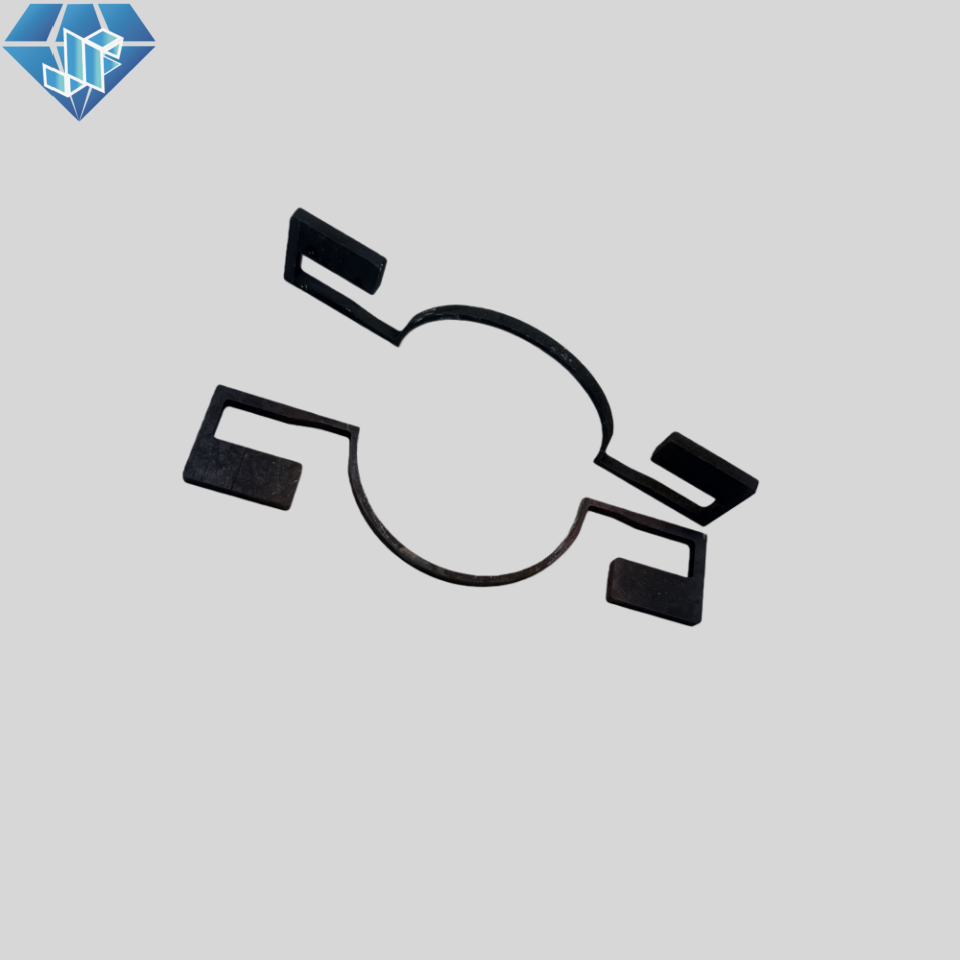
高温産業用途向けの究極のソリューション
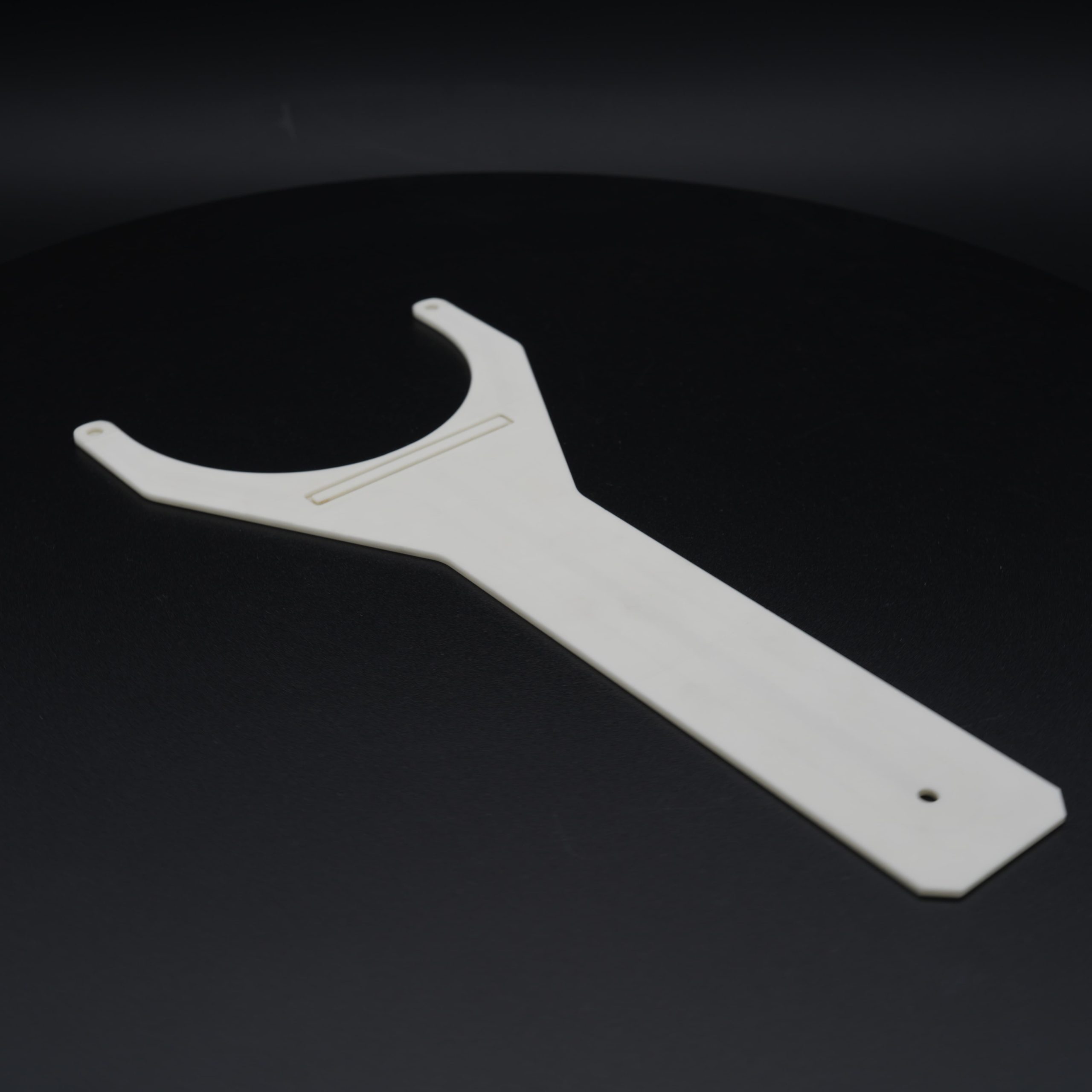
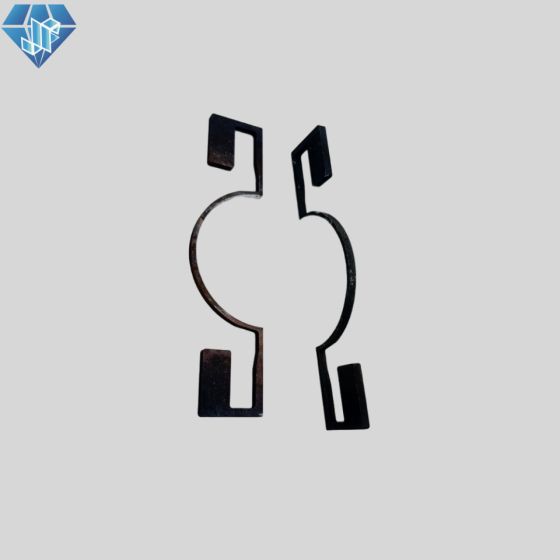
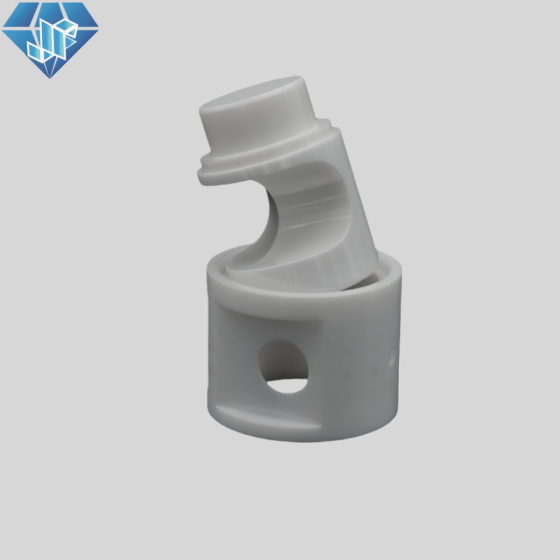
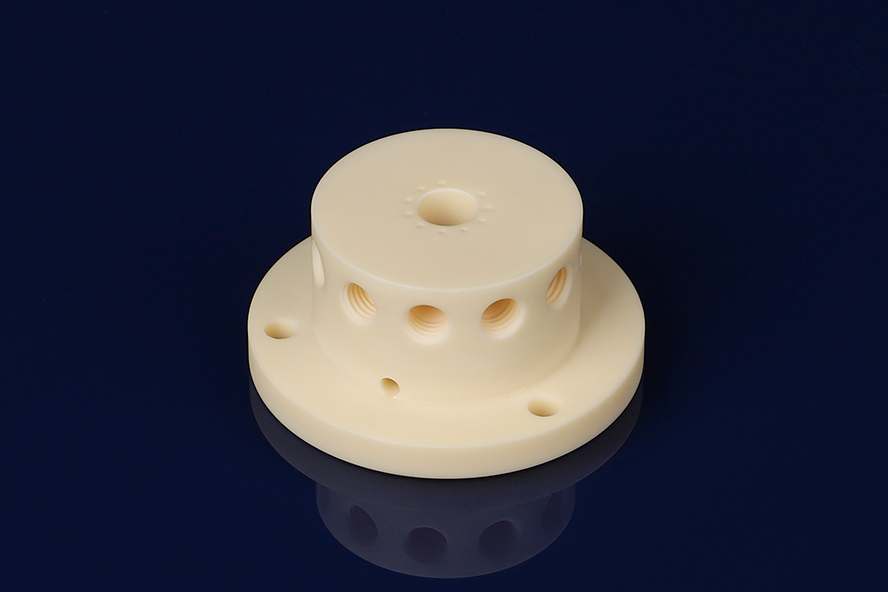
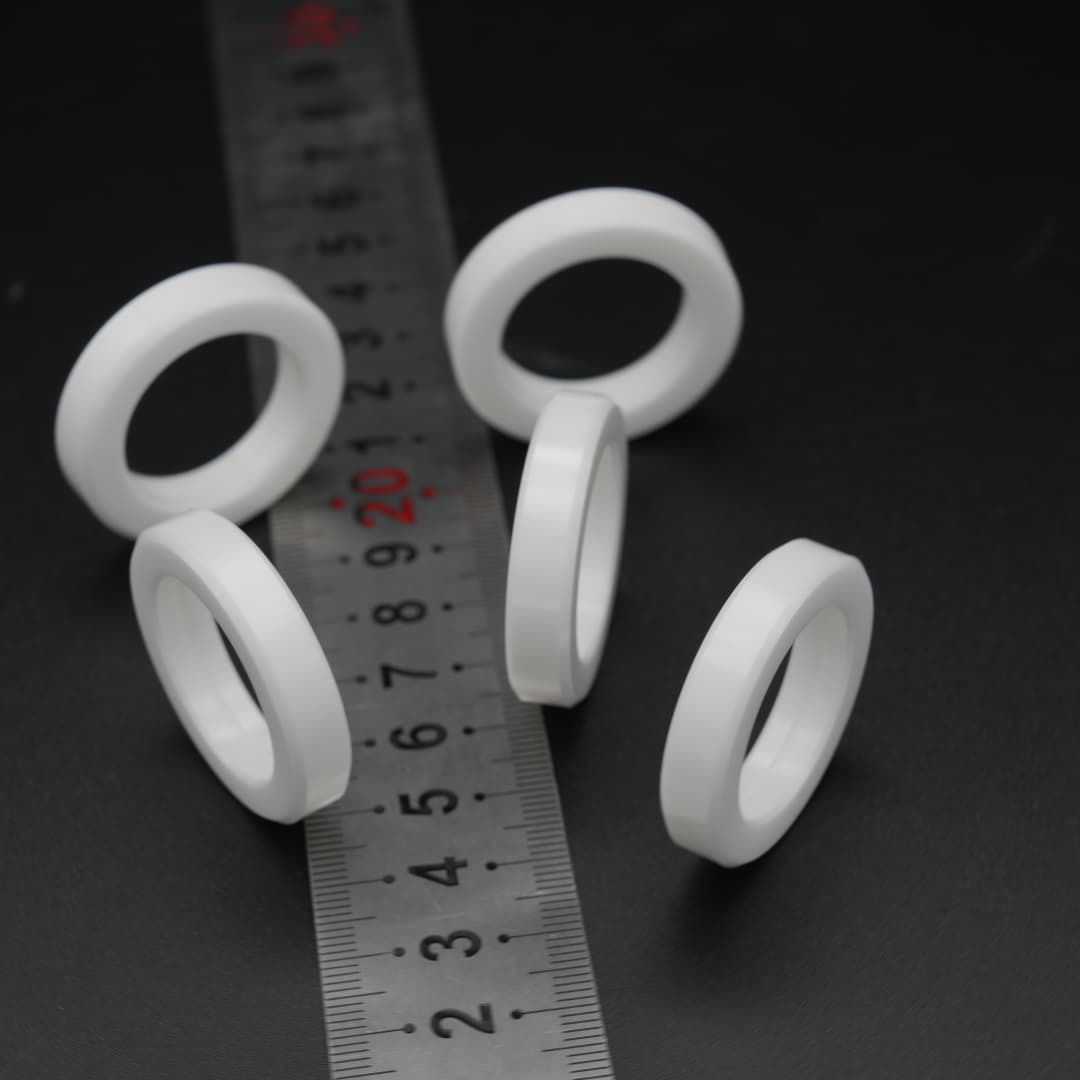
JiFeng Ceramics manufactures high-precision 炭化ケイ素 (SiC) ceramic shims and spacers designed for critical industrial applications where conventional metal or lower-grade ceramic components fail. Our SiC components, available in Sintered Silicon Carbide (SSiC) and Reaction Bonded (RBSiC) grades, deliver unmatched performance in extreme environments.
Key Product Specifications:
特徴 | Specification | Benefit |
材料 | Sintered SiC (SSiC) / Reaction Bonded SiC (RBSiC) | Optimized for specific application needs (purity vs. cost). |
精度 | Thickness Tolerances down to ±0.005mm | Ensures exact alignment and minimal thermal expansion mismatch. |
表面仕上げ | Lapped and Polished to Ra < 0.1μm | Reduces friction and wear in dynamic sealing or sliding applications. |
Stability | High Young’s Modulus (Zero Deformation) | Maintains structural integrity under heavy mechanical and thermal loads. |
Customization | Build-to-Print Services | Rapid prototyping and manufacturing based on your CAD drawings. |
SiC Ceramic Shims: Outperforming Traditional Materials
Silicon Carbide is one of the hardest and most chemically resistant advanced ceramics available. Its unique covalent bonding structure grants it superior properties compared to common industrial materials like Stainless Steel or Alumina (Al₂O₃).
財産 | Sintered SiC (SSiC) | アルミナ (99.5% Al₂O₃) | Stainless Steel (316L) |
Max Service Temp | ~1700°C | ~1650°C | ~870°C |
硬度 (Vickers) | >2500 HV | ~1500 HV | ~200 HV |
熱伝導率 | ~120 W/m·K | ~30 W/m·K | ~15 W/m·K |
Corrosion Resistance | Excellent (Acids/Alkalis) | 良い (Acids) | Poor (Strong Acids/Chlorides) |
耐摩耗性 | Exceptional | 良い | Poor |
Q1: What is the difference between Sintered SiC (SSiC) and Reaction Bonded SiC (RBSiC)?
A: Both are forms of SiC ceramic spacer, but they differ in manufacturing. SSiC is a high-purity, fully dense material sintered at very high temperatures, offering superior corrosion resistance and strength. RBSiC is manufactured at lower temperatures and contains a small amount of free silicon, making it more cost-effective for larger, complex shapes while still providing excellent hardness and thermal properties.
第2四半期: Why should I choose a SiC ceramic shim over an Alumina (Al₂O₃) shim for high-temperature use?
A: While Alumina is a good ceramic, SiC is superior for extreme conditions. SiC offers four times the thermal conductivity of Alumina, meaning it manages heat much more effectively. It also has significantly higher hardness そして better thermal shock resistance, making it the preferred choice for applications above 1400°C or where rapid temperature changes occur.
Q3: Can SiC shims be customized to my exact CAD specifications?
A: はい. We specialize in build-to-print services for precision silicon carbide shims. We use advanced machining techniques, including diamond grinding and lapping, to achieve thickness tolerances down to ±0.005mm and complex geometries based on your specific CAD drawings.
Q4: Are SiC ceramic shims electrically conductive?
A: Generally, Sintered SiC (SSiC) is a semiconductor and can be electrically conductive, depending on the doping and purity. Reaction Bonded SiC (RBSiC) is typically more conductive due to the presence of free silicon. If your application requires electrical insulation, we can recommend specific SiC grades or alternative ceramic materials.
 吉峰陶磁器
吉峰陶磁器