 Цзифэн Керамика

Усовершенствованные керамические материалы – свойства, Типы и промышленное применение
Передовые керамические материалы, также называемые техническими керамическими материалами, обладают высокими эксплуатационными характеристиками., Специально разработанные материалы, предназначенные для работы в самых суровых промышленных условиях.. По сравнению с обычной керамикой, металлы и полимеры, современные керамические материалы обеспечивают превосходную механическую прочность и долговечность., термическая стабильность и электрический КПД.
Благодаря этим замечательным характеристикам, Передовые изделия из керамического материала широко используются в различных областях., Применение керамических материалов включает в себя такие отрасли, как аэрокосмическая промышленность., производство полупроводников, медицинское оборудование, электроника, а также энергетика и промышленное оборудование для защиты от износа.
Что такое современные керамические материалы?
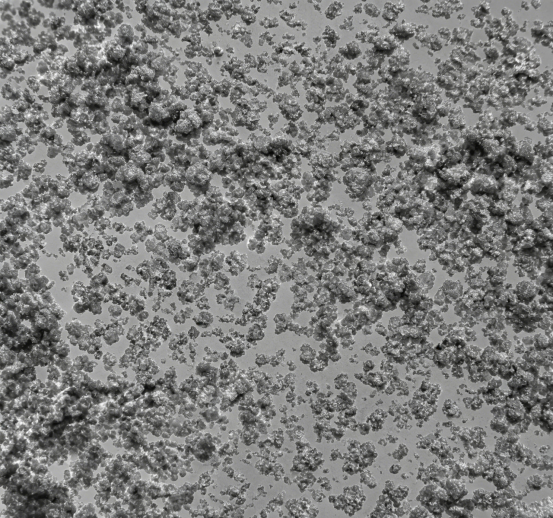
Усовершенствованный керамический материал является неорганическим., неметаллический материал, специально разработанный и обработанный для достижения точных механических свойств., термоэлектронный, и химические характеристики. В отличие от обычной керамики, используемой в бытовых или строительных изделиях., Технический керамический материал производится со строгим контролем качества, чтобы гарантировать его соответствие самым высоким технологическим стандартам..
Преимущества современных керамических материалов:
- Исключительная прочность и износостойкость
- Стабильность при высоких температурах и устойчивость к термическому удару.
- Отличная устойчивость к химическим веществам и коррозии
- Функциональная проводимость или электрическая изоляция
- Длительный срок службы в экстремальных условиях
Эти характеристики. Эти характеристики делают современные керамические материалы идеальным вариантом, когда традиционные материалы не работают.. Они также могут расширить сферу применения керамических материалов в высокотехнологичных областях промышленного производства..
Классификация Керамика Материалы
Jifeng Ceramics специализируется на высокопроизводительных современных керамических материалах, специально разработанных для высокоточного промышленного применения.. Наши категории продуктов включают цирконий., глинозем, нитрид алюминия, карбид кремния, а также карбид кремния, каждый из которых обладает исключительной долговечностью и термической стабильностью., а также устойчивость к коррозии, а также электроизоляция.
Предлагаем керамические порошки высокой чистоты., Обработанные конструктивные элементы и подложки больших размеров. Мы также предлагаем прозрачную керамику., а также прецизионные детали по индивидуальному заказу. Эти передовые продукты из керамического материала обеспечивают высококачественную работу в полупроводниковой электронике., аэрокосмический, медицина и энергетика, а также автомобилестроение, и текстильного оборудования. Собственный Р&D и прецизионная обработка, а также полный контроль качества. Наши решения для материалов сочетают в себе высочайшее качество и стабильность., со сверхвысокой точностью измерения размеров, и высокая степень индивидуальной настройки для удовлетворения самых высоких технических потребностей и улучшения керамических материалов для различных ситуаций..
| Оксидная Керамика | Безоксидная керамика | Керамические матричные композиты (КМЦ) | Функциональная керамика |
|---|---|---|---|
| глинозем (Ал2О3) | Карбид кремния (Карбид кремния) | Компоненты КМЦ | Пьезоэлектрическая керамика |
| Цирконий (ЗрО2) | Нитрид кремния (И3Н4) | Армированная керамика | Биокерамика |
| Нитрид бора (БН) | Диэлектрическая Керамика | ||
| Нитрид алюминия (АлН) |
Таблица характеристик керамического материала
Элемент | Единица | глинозем | Цирконий | Карбид кремния | Нитрид кремния |
| ||||||||
Оценка | — | А-100 | А-200 | А-300 | АЗ-100 | З-100 | З-200 | З-300 | ЗМ-100 | ЗБ-100 | СК-200 | СН-200 | СН-100 | СН11000 |
Материал | — | Al₂O₃ 97% | Al₂O₃ 99.5% | Al₂O₃ 99.7% | Al₂O₃–ZrO₂ | ZrO₂–Y₂O₃ | ZrO₂–Y₂O₃ | ZrO₂–Y₂O₃ | ZrO₂–Y₂O₃ | ZrO₂–Y₂O₃ | Карбид кремния | Си₃N₄ | Си₃N₄ | Си₃N₄ |
Цвет | — | Белая слоновая кость | Белый | Слоновая кость белая | Белый | Белый | Белый | Белый | Желтый | Синий | Черный | Серо-черный | Серо-черный | Желтый |
Плотность | г/см³ | 3.75 | 3.9 | 3.92 | 4.2 | 6.0 | 6.03 | 6.04 | 5.7 | 6.03 | 3.15 | 3.2 | 3.2 | 3.2 |
изгибная прочность | МПа | 280 | 320 | 370 | 480 | 900 | 950 | 1100 | 450 | 1100 | 400 | 680 | 850 | 750 |
Прочность на сжатие | МПа | 2250 | 2300 | 2450 | 2700 | 2100 | 2200 | 2300 | 1600 | 2300 | 2000 | 3000 | 3800 | 3000 |
Модуль Юнга | ГПа | 330 | 370 | 380 | 350 | 200 | 210 | 220 | 210 | 220 | 430 | 290 | 300 | 300 |
Вязкость разрушения | МПа·м¹ᐟ² | 3.0 | 4.0 | 4.5 | 5.5 | 9.0 | — | 9.0 | 5.5 | 7.0 | — | 6.0 | 7.0 | 7.5 |
Коэффициент Пуассона | — | 0.23 | 0.22 | 0.22 | 0.24 | 0.30 | 0.30 | 0.30 | 0.30 | 0.30 | 0.16 | 0.28 | 0.28 | 0.28 |
Твердость HRA | HRA | 90 | 91 | 91 | 91 | 89 | 90 | 90 | 88 | 90 | 93 | 91.5 | 92 | 92 |
Твердость по Виккерсу | HV1 | 1450 | 1550 | 1600 | 1600 | 1250 | 1450 | 1450 | 1240 | 1450 | 2100 | 1600 | 1650 | 1650 |
Коэффициент теплового расширения | 10⁻⁶ К⁻¹ | 7.1 | 6.8 | 6.8 | 9.2 | 10.0 | 10.0 | 10.0 | 10.0 | 10.0 | 4.5 | 3.2 | 3.2 | 3.2 |
Теплопроводность | ж/(м·К) | 25 | 32 | 32 | 8 | 3 | 3 | 3 | 3 | 3 | 100 | 26 | 40 | 70 |
Устойчивость к тепловому удару | ΔТ, °С | 200 | 220 | 220 | 470 | 400 | 400 | 400 | — | 400 | 400 | 600 | 800 | 800 |
Максимальная температура использования. (Окислительный) | °С | 1200 | 1400 | 1650 | 1000 | 1000 | 1000 | 1000 | 850 | 1000 | 1400 | 1000 | 1300 | 1300 |
Максимальная температура использования. (Редукционный/Инертный) | °С | 1200 | 1400 | 1700 | 1000 | 1000 | 1000 | 1000 | 850 | 1000 | 1650 | 1200 | 1400 | 1400 |
Объемное сопротивление (20 °С) | О·см | 10¹⁴ | 10¹⁵ | 10¹⁵ | 10¹⁴ | 10¹³ | 10¹² | 10¹² | 5×10¹³ | 10¹² | 10⁵ | 10¹⁴ | 10¹⁴ | 10¹⁴ |
Диэлектрическая прочность | кВ/мм | 16 | 20 | 22 | 16.5 | 19 | 15 | 17 | 19 | 17 | 0 | 10 | 12 | 16 |
Диэлектрическая проницаемость (1 МГц) | — | 11.5 | 11.0 | 10.0 | 11.0 | 28 | 30 | 30 | 27 | 30 | — | 12 | 11 | 10 |
Угол диэлектрических потерь (20 °С, 1 МГц) | tanδ | 3×10⁻³ | 1×10⁻³ | 1×10⁻³ | 2×10⁻² (9 ГГц) | 2×10⁻³ | 2×10⁻³ | 2×10⁻³ | 2×10⁻³ (1 ГГц) | 2×10⁻³ | — | 4×10⁻³ (1 ГГц) | 5×10⁻³ (1 ГГц) | 3×10⁻³ (1 ГГц) |
Промышленное применение керамических материалов
Полупроводник & Электроника
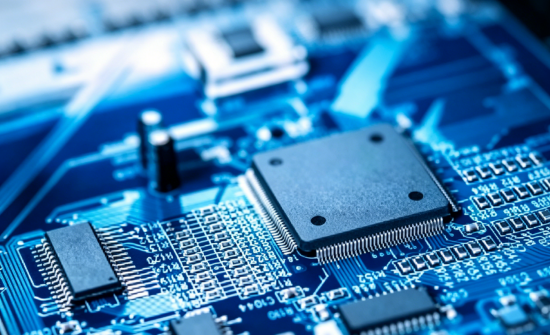
Усовершенствованные керамические материалы служат важными изоляционными подложками, а также высокоточными компонентами для работы с пластинами.. Их выдающаяся теплопроводность, а также удельное электрическое сопротивление позволяют эффективно контролировать нагрев в микрочипах с высокой производительностью, а также в чувствительных электронных схемах.. Это одно из наиболее важных применений керамических материалов..
Аэрокосмическая промышленность & Авиация
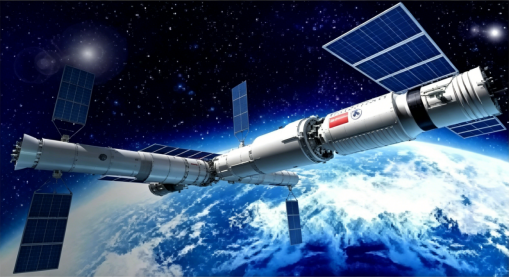
Техническая керамика имеет решающее значение для создания легких и высокотемпературных конструкций, таких как лопатки турбин или тепловые экраны.. Они могут выдерживать экстремальные температуры и окисление., значительно улучшая производительность двигателей, а также безопасность в полете, а также расширение конструкции и компоновки современных керамических материалов..
Медицинское оборудование
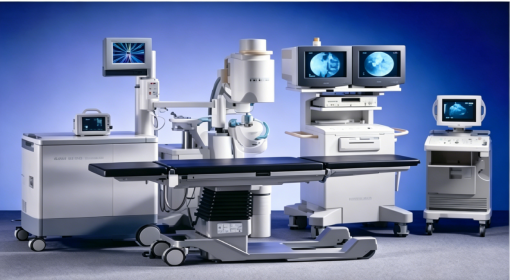
Благодаря своей высокой биосовместимости высокотехнологичные керамические изделия широко используются в зубных имплантатах., ортопедическое протезирование, а также высококачественные хирургические инструменты. Они обеспечивают высокую износостойкость и стабильность в среде тела, что делает их неотъемлемой частью применения керамических материалов..
Промышленные изнашиваемые детали
Разработанные современные керамические материалы, такие как клапаны, печати, и насадки, обеспечивают исключительную производительность против трения и высокого давления. Их твердость чрезвычайно высока, что значительно увеличивает срок службы оборудования, при одновременном снижении затрат на техническое обслуживание в высокопромышленных процессах.
Энергия & Химическая промышленность
Эти материалы незаменимы при работе с агрессивными химикатами при повышенных температурах.. Керамические вкладыши и мембраны обеспечивают непревзойденную устойчивость к коррозии., обеспечение структурной целостности и надежности критической инфраструктуры производства энергии.