 جيفينج سيراميك

المعدن يتآكل. يذوب البلاستيك. في مصانع أشباه الموصلات, المحركات النفاثة والمفاعلات الكيميائية, ومن المتوقع أن تتحمل المكونات درجات حرارة تتجاوز 1000 درجة مئوية للتآكل المستمر, وكذلك المواد الكيميائية المسببة للتآكل لعقود من الزمن دون فشل. هذه هي بالضبط الفجوة التي تم تصميم الأجزاء الخزفية التقنية لسدها. على عكس السيراميك الذي تراه موجودًا في خزانة المطبخ، فهي عبارة عن مكونات دقيقة متينة مصنوعة للبيئات الصناعية التي تتطلب الكثير من الجهد. يشرح هذا الدليل أساسيات ماهيتها وكيفية إنشائها ومكان استخدامها وأفضل طريقة لاختيار أفضل الموردين.
ما هي أجزاء السيراميك الفنية?
الأجزاء الخزفية الفنية — والتي تسمى أيضًا السيراميك الصناعي أو المتقدم — هي أنواع مكونات مصممة بدقة, مصنوعة من مواد غير عضوية وغير معدنية وتم تشكيلها باستخدام معالجة بدرجة حرارة عالية حتى تتمكن من تقديم ميكانيكية معينة, الحرارية, أو السلوك الكهربائي. مقارنة بالسيراميك التقليدي, والتي تهدف عادة إلى المظهر, وغالبًا ما يتم إطلاقها في درجات حرارة منخفضة, منتجات السيراميك التقنية هي في الأساس مواد موجهة نحو الأداء. تم اختيارهم, ثم يعالج, من أجل المتانة والموثوقية تحت الضغط, حرارة, أو الظروف الصعبة.
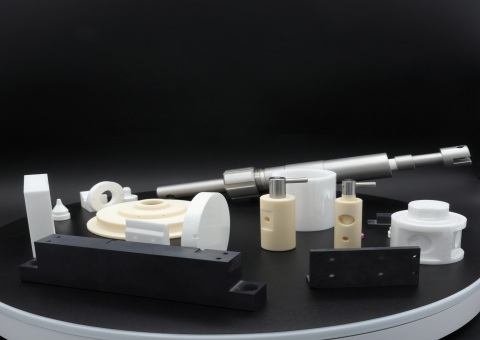
السيراميك الفني مقابل. الخزف التقليدي
الفرق يعتمد على الغرض. السيراميك من النوع التقليدي — أواني السيراميك والبلاط المزخرف, وكذلك الفخار مرغوب فيه بسبب جماله ومتانته. يمكن وصف السيراميك التقني بأنه مواد عملية ومتينة مصنوعة من جزيئات دقيقة, الحجم والنقاء والبنية المجهرية, لتوفير أداء قابل للقياس, مثل صلابة محددة, قوة أرقام التوصيل العازل أو الحراري التي يمكن للمهندسين إنشاؤها حولها.
الخصائص الرئيسية التي تحدد السيراميك الفني
السبب وراء كون هذه المواد مثالية للبيئات القاسية يتلخص في مجموعة من الصفات الأساسية:
- صلابة عالية ومقاومة للتآكل - يوجد الكثير من السيراميك التقني حولها 8 ل 9 على مقياس موس, جميلة بالقرب من الماس
- الاستقرار الحراري - قادر على الحفاظ على شكله الهيكلي فوق 1000 درجة مئوية في خلطات معينة , ليس هو نفسه دائمًا بالرغم من ذلك
- العزل الكهربائي – ضروري للأجزاء التي تقع بالقرب من أجهزة الجهد العالي أو الأجهزة عالية التردد
- المقاومة الكيميائية والتآكل - خاملة بشكل عام تجاه الأحماض , القلويات وكذلك المعادن المنصهرة, لذلك لا يتفاعلون حقًا كما تتوقع
المواد الشائعة المستخدمة في أجزاء السيراميك التقنية
ليست كل أنواع السيراميك التقنية متشابهة, مختلف المادة الأساسية يتم اختيارك بناءً على نوع المشكلة الهندسية التي تحاول حلها.
الألومينا (آل₂O₃) ربما يكون السيراميك التقني الأكثر شيوعًا, لأنه يصل إلى تلك النقطة الرائعة من فعالية التكلفة, العزل الكهربائي, وارتداء المقاومة, عموما في العديد من الوظائف الصناعية.
زركونيا (زرو₂) معروف بصلابة الكسر الاستثنائية, في بعض الأحيان يسميها الناس “فولاذ سيراميك” لأنه يمكن أن يقاوم التشقق عندما يصبح الحمل الميكانيكي سيئًا, وخاصة بالنسبة للأجزاء الهيكلية التي تواجه التأثير.
نيتريد السيليكون (Si₃N₄) يعطي مقاومة متميزة للصدمات الحرارية, لذلك غالبًا ما يتم اختياره للمكونات التي تدور, بسرعة بين الظروف الحارة والباردة.
كربيد السيليكون (كربيد كربيد) يوفر صلابة شديدة ومقاومة قوية للتآكل ويظهر كثيرًا في معالجة أشباه الموصلات, وفي المعدات الكيميائية عندما تتعرض الأشياء لوسائل الإعلام العدوانية.
نيتريد الألومنيوم (آل ن) يجلب الموصلية الحرارية العالية إلى جانب العزل الكهربائي الصلب, نوع من التحرير والسرد غير عادي, لذلك فهو مثالي لتبديد الحرارة في المكونات الإلكترونية.
نيتريد البورون (بن) يوفر تشحيمًا طبيعيًا وأيضًا عزلًا كهربائيًا بدرجة حرارة عالية, لذلك ستجده مستخدمًا في إعدادات الأفران المتخصصة والتطبيقات الكهربائية, حيث يهم الاستقرار.
كيف يتم تصنيع أجزاء السيراميك الفنية
إن تصنيع منتج سيراميك تقني هو إجراء هندسي متعدد المراحل وليس عملية قالب بسيطة:
- صياغة مسحوق & تركيب المواد - أولا, يتم انتقاء مساحيق السيراميك الخام وخلطها للحصول على نقاء دقيق وحدود حجم الجسيمات, مع الاهتمام الدقيق بما يوجد داخل الكيمياء.
- التشكيل – ثم يتحول المسحوق إلى "جسم أخضر" عن طريق الضغط, صب الحقن, أو البثق, اعتمادًا على شكل هندسة الجزء.
- التلبيد — بعد ذلك يتم تسخين القطعة المشكلة إلى درجة حرارة عالية جدًا, تترابط الجزيئات وتغلق, وهنا تجد المادة كثافتها النهائية, صلابة, بالإضافة إلى القوة.
- تصنيع الآلات الدقيقة & اختبار الجودة - لأن السيراميك ينكمش أثناء التلبيد ويصبح من الصعب تشكيله بعد الحرق, عادةً ما تأتي الأبعاد النهائية من طحن الماس أو التصنيع باستخدام الحاسب الآلي, ثم تؤكد فحوصات الأبعاد واختبارات الأداء أن كل شيء يعمل كما هو متوقع.
 الأنواع الشائعة لأجزاء السيراميك التقنية
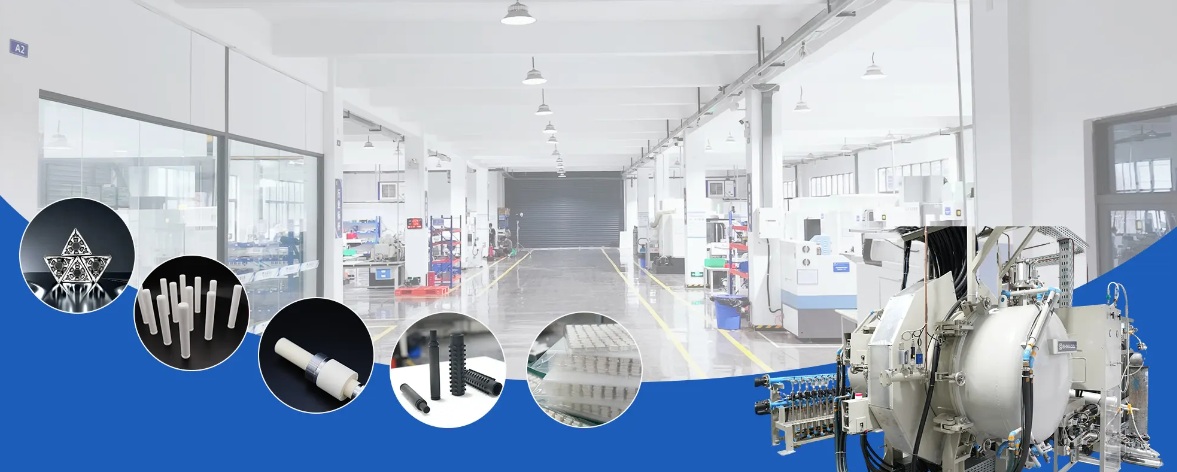 الأنواع الشائعة لأجزاء السيراميك التقنية
السيراميك الفني يتم تصنيعها في مجموعة واسعة من الأشكال الهندسية للمكونات, مشتمل:
قضبان السيراميك & الأنابيب - تستخدم كدعامات هيكلية, العوازل, أو أدلة مقاومة للاهتراء
حلقات السيراميك & الأكمام - شائعة في الأختام, محامل, والمعدات الدوارة
مكونات الصمامات الخزفية — أقراص ومقاعد الصمامات المعرضة للوسائط الكاشطة أو المسببة للتآكل
المكونات الهيكلية الخزفية - الأجزاء المخصصة مثل فوهات التوزيع, أذرع سيراميك, أو أشرطة التمرير المصممة لمعدات محددة
التطبيقات الرئيسية لأجزاء السيراميك الفنية
بسبب مزيجها المميز من الخصائص, يتم استخدام السيراميك التقني في مجموعة متنوعة من الصناعات التي تتطلب ذلك:
- تصنيع أشباه الموصلات – المكونات المعرضة لفراغ عالية, البلازما ودرجات الحرارة القصوى المستخدمة في معدات معالجة الرقائق
- الفضاء الجوي - مكونات خفيفة مقاومة للحرارة للمحركات وكذلك أنظمة الحماية الحرارية.
- المعالجة الكيميائية- عناصر المضخة والصمام مقاومة للمذيبات والأحماض المسببة للتآكل
- طبي & الأدوات الدقيقة -متوافقة حيويا, مكونات مقاومة للاهتراء للأدوات التشخيصية والجراحية
- ارتداء مكونات للمضخات الصناعية — الأكمام, الغطاسات والأختام التي تتأثر باستمرار
كيفية اختيار أ الشركة المصنعة لأجزاء السيراميك الفنية
لا يستطيع كل مورد التعامل مع التعقيد الكامل لإنتاج مكونات السيراميك. عند تقييم الشركة المصنعة, يعتبر:
نطاق المواد - هل تغطي أنظمة سيراميك متعددة, مثل الألومينا حتى كربيد السيليكون, بدلا من خيار واحد فقط?
سلسلة الإنتاج الداخلية - هل يديرون منتجات R الخاصة بهم؟&د, تشكيل, تلبيد, بالقطع, وخطوات الاختبار داخليا, أم أنهم يقومون بهدوء بنقل الأجزاء "الحاسمة" إلى شخص آخر?
سرعة التخصيص والنماذج الأولية - هل يمكنها إنتاج أشكال هندسية مخصصة وتلبية التفاوتات الصارمة دون الانتظار إلى الأبد?
الشهادات وخبرة التصدير — هل وثائقها, تتوافق سجلات الجودة وخبرة الشحن مع ما يحتاجه مشروعك فعليًا للعمل الدولي?
تعالج الأجزاء الخزفية الفنية مشكلة هندسية محددة, وهو ما يحافظ على عمل المكونات عند تعطل البلاستيك والمعدن - تحت الحرارة الشديدة, ارتداء مستمر, أو التعرض للمواد الكيميائية الكاشطة. إن فهم المواد المختلفة بالإضافة إلى عملية التصنيع ومدى ملاءمة تطبيقها سيكون الخطوة الأولى لاختيار المكون المناسب لاحتياجاتك. إذا كنت تبحث عن السيراميك الفني لمشروع مستقبلي, العمل مع شركة تدير سلسلة الإنتاج بأكملها بدءًا من المواد الخام وحتى النهاية, المكون الذي تم اختباره هو الطريقة الأكثر فعالية لضمان الاتساق في الأداء.
التعليمات
ما هو الفرق الرئيسي بين السيراميك التقني والصناعي?
تُستخدم المصطلحات بشكل شائع بالتبادل للإشارة إلى السيراميك المصمم للاستخدام في التطبيقات التي تتطلب أداءً عاليًا وليس أدوات المائدة التقليدية أو السيراميك المزخرف.
هل السيراميك التقني هش؟?
العديد من أنواع السيراميك التقنية أقل صلابة من المعادن وقد تتشقق في حالة حدوث تصادم مفاجئ. لكن, تم تصميم مواد معينة مثل الزركونيا خصيصًا لزيادة المتانة, والتصميم الجيد التخطيط للجزء يقلل من المخاطر.
هل يمكن تصنيع الأجزاء الخزفية التقنية وفقًا لتفاوتات دقيقة؟?
نعم. بعد التلبد, عادةً ما يتم الانتهاء من المكونات عن طريق طحن الماس أو آلة CNC لضمان تفاوت الأبعاد الدقيق المطلوب للتطبيقات الصناعية الأكثر تطلبًا.
