 Цзифэн Керамика

Ceramic plunger pumps are widely used in industrial fluid handling systems, especially in situations where high requirements are placed on wear resistance, dimensional accuracy, and material compatibility. From high-pressure pumping equipment to precise fluid measurement systems, ceramic components can help ensure the stable operation of the equipment under appropriate working conditions.
Однако, the performance of the pump is not only dependent on the material selection, but also influenced by factors such as the geometric structure of the components, обработка поверхности, допуски на размеры, and sealing design. Understanding these key factors is beneficial for equipment manufacturers and industrial purchasers in choosing the appropriate ceramic components.
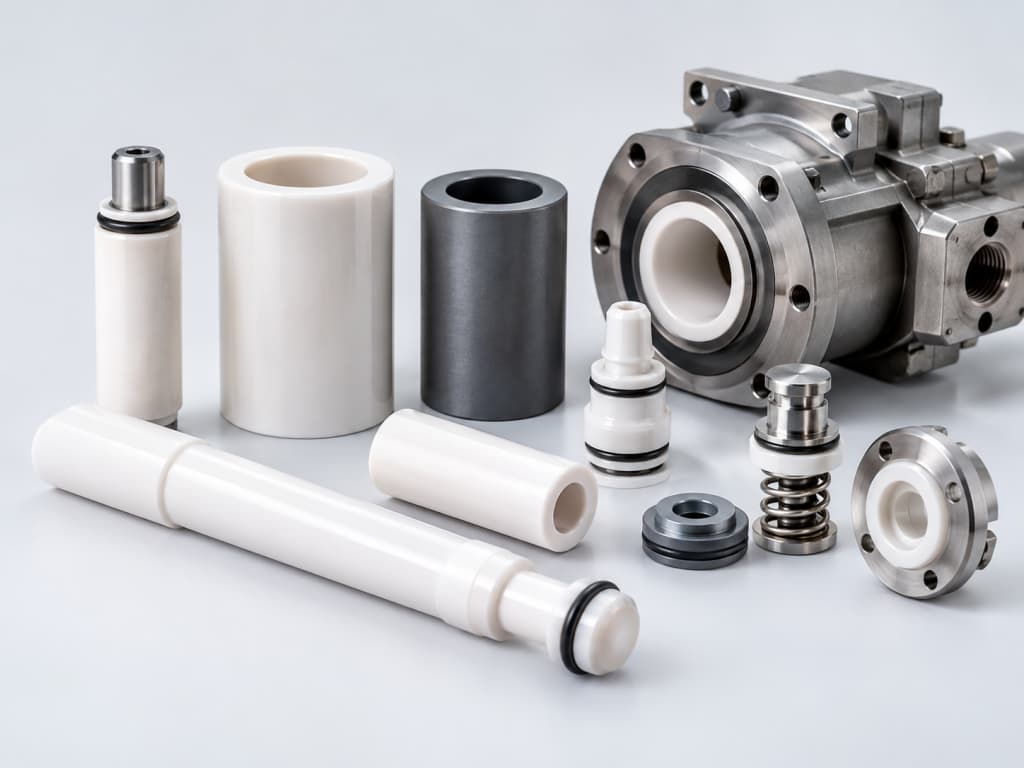
Key Components of a Ceramic Plunger Pump
A ceramic plunger pump is usually composed of a plunger, pump cylinder or sleeve, печати, valves and a driving mechanism. The specific structure depends on the design and application requirements of the pump.
Керамический Плунжер
Ceramic plunger reciprocating motion within the pump, to promote the core component of fluid conveying. Its hardness, износостойкость, surface finish and dimensional accuracy are of great significance for the stable operation of the equipment. Under appropriate working conditions, a well-made ceramic piston can help reduce wear.
Cylinder or Sleeve
Pump cylinder or sleeve is used to guide the piston movement, according to the design are made of metal, керамический, or other suitable material. Its inner diameter, surface condition and installation alignment will affect the fit clearance, which in turn affects leakage and friction.
Seals and Valves
Seals are used to control fluid leakage, while inlet and outlet valves are responsible for regulating fluid flow. The materials and structures of these components must be compatible with the working medium, operating pressure and system requirements.
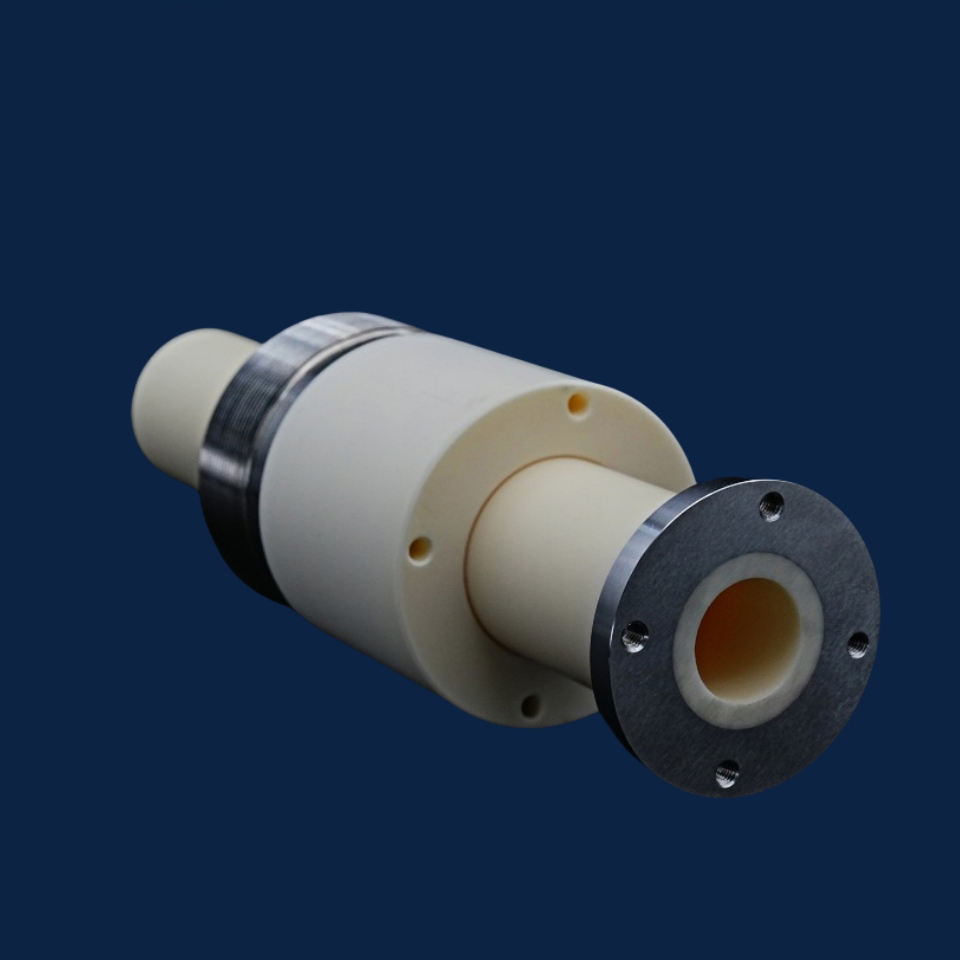
Common Ceramic Materials for Plunger Pumps
Alumina ceramics and silicon carbide ceramics are two common types of technical ceramic materials used in industrial pump components, each possessing distinct performance characteristics.
глинозем керамический
глиноземная керамика (Al₂O₃) обладают высокой твердостью, excellent wear resistance and electrical insulation properties, and also offer good cost-effectiveness. Depending on the purity of the material and the specific brand, they are suitable for many industrial applications that require wear resistance and dimensional accuracy.
Карбид Кремния Керамика
Карбидокремниевая керамика (Карбид кремния) обладают высокой твердостью, отличная износостойкость, высокая теплопроводность, and good corrosion resistance in many environments. Поэтому, in situations involving abrasive wear, высокие температуры, or specific corrosive media, silicon carbide ceramics can be considered for use.
How to Select the Right Material
Neither material is ideal for every application. Selection should consider the working fluid, давление, температура, abrasive particles, mechanical loads, and budget.
For general wear-resistant applications, alumina ceramics may be a more cost-effective option; Silicon carbide ceramics can be considered for applications with higher requirements for thermal properties or material compatibility in specific corrosive environments. The final selection still needs to evaluate the suitability of the material in combination with the actual working conditions.
Key Design Factors for Ceramic Pump Components
Only high-quality materials cannot guarantee the reliable operation of the pump. The design of ceramic plunger pumps also needs to consider the following factors.
Dimensional Tolerances and Fit
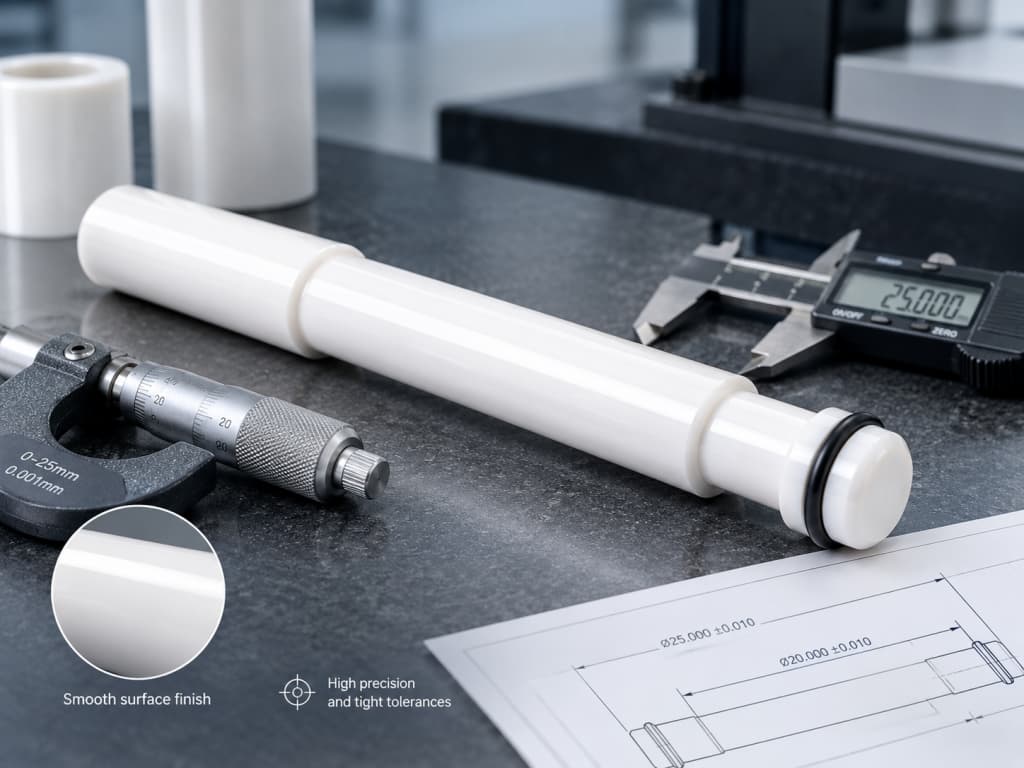
Plunger diameter and pump cylinder fit clearance can affect leakage, трение, and operational stability. Округлость, straightness and installation alignment may also affect the movement of the plunger and its sealing performance.
Specific tolerances shall be determined according to the structure and working condition of the pump, and not for all the ceramic plunger pump adopt unified standard of tolerance.
Поверхностная обработка
Surface finish is particularly important for reciprocating ceramic plungers. Proper surface treatment helps maintain stable seal contact and reduces the risk of premature seal wear. Scratches, surface defects or processing quality is not consistent, may cause leakage or damage of parts.
Ceramic parts can usually be made to the required size and surface quality requirements by precision grinding and surface finishing.
Structural Strength and Assembly
Ceramics have high hardness and wear resistance, but usually have greater brittleness compared to metals. Поэтому, the design need to consider stress concentration, mechanical load and support conditions, reasonable planning part geometry.
Proper alignment and careful assembly are equally important. Влияние, excessive installation force, or uneven loading can damage ceramic parts.
How Ceramic Components Affect Pump Performance
- Износостойкость: Ceramic hardness can help resist abrasive wear, but actual service life also depends on fluid contamination, operating speed, alignment, and lubrication or flushing conditions.
- Leakage control: Accurate dimensions and suitable clearances help the plunger work effectively with its cylinder and sealing system. Pump performance depends on the complete assembly rather than the plunger alone.
- Коррозионная стойкость: Certain technical ceramics can perform well in environments where some conventional materials are unsuitable. Однако, compatibility varies with chemical composition, concentration, and temperature, so material selection requires application-specific evaluation.
Manufacturing and Quality Control
The manufacturing process directly affects the quality of ceramic plunger pump components.
Точное производство
Ceramic production typically involves material preparation, формирование, и спекание, followed by machining where required. Precision grinding and finishing help achieve the specified diameter, округлость, straightness, и качество поверхности.
For custom components, reviewing technical drawings and operating conditions before production helps confirm material suitability and manufacturing feasibility.
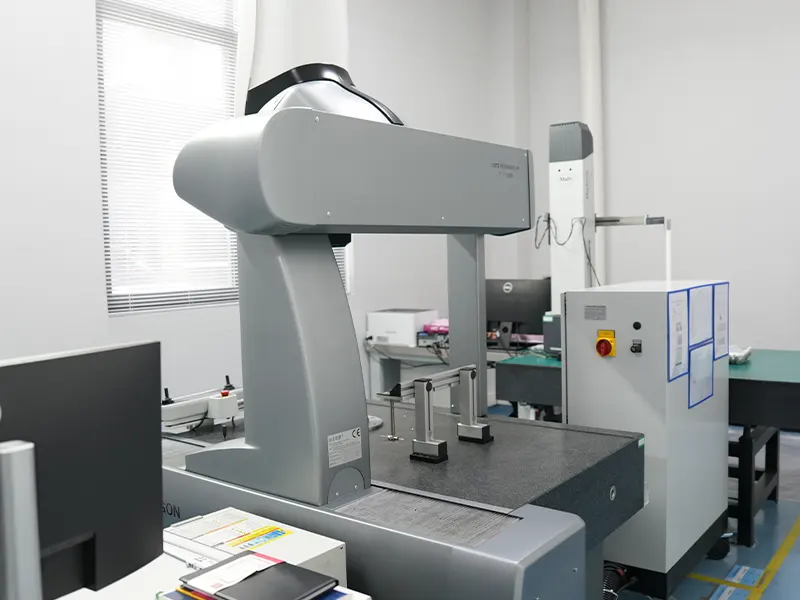
Dimensional Inspection
В зависимости от приложения, quality control may include dimensional measurements, geometric tolerance verification, осмотр поверхности, and checks for visible chips or cracks. Inspection criteria should be agreed upon according to the technical drawing and customer requirements.
How to Choose a Ceramic Component Supplier
When sourcing ceramic plunger pump components, industrial buyers should evaluate material expertise, machining capabilities, quality control, and customization services.
Look for a supplier that can manufacture components to specified dimensions, review technical drawings, and provide appropriate inspection documentation.
For a custom quotation, prepare the following information:
- Technical drawings with dimensions and tolerances.
- Required ceramic material or preferred grade.
- Surface finish and geometric accuracy requirements.
- Working fluid and operating conditions.
- Order quantity and inspection requirements.
If the material has not yet been selected, provide the application details so the supplier can assess suitable options.
Заключение
Ceramic plunger pump components combine material performance with precision engineering. Alumina and silicon carbide offer different advantages, while dimensional tolerances, обработка поверхности, structural design, and quality control all influence component reliability.
For industrial pump manufacturers and equipment suppliers, selecting the right ceramic material and manufacturing partner is essential to meeting application requirements.
Looking for custom ceramic plunger pump components? Contact our team with your drawings, material specifications, and application details to discuss suitable ceramic materials and precision manufacturing solutions.
