 Céramique JiFeng

Les pistons métalliques ont tendance à s'user assez rapidement lorsque l'environnement n'est pas agréable, comme la haute pression., produits chimiques corrosifs désagréables, ou des boues abrasives dans la ligne. C’est précisément le problème que les pompes à piston en céramique ont été créées pour résoudre. En remplaçant le matériau principal du piston par de la céramique de haute technologie, les fabricants peuvent créer un élément résistant à la corrosion, l'usure et la contamination sont meilleures que tout ce que le métal a jamais fait. Ce sont les dix principaux avantages qui valent la peine d’opter pour les pompes à piston en céramique..
Qu'est-ce qu'une pompe à piston en céramique?
Les pompes à piston en céramique sont un type de pompe alternative avec le piston, la partie qui tourne d'avant en arrière pour déplacer le liquide.- construit à partir d'un matériau céramique avancé, généralement de la zircone ou de l'alumine à la place de l'acier inoxydable. Le boîtier de la pompe ainsi que d'autres composants pourraient toujours être en acier ou en d'autres matériaux pour l'ingénierie.; cependant, le piston est la principale surface résistante à l'usure, et c’est là que la céramique fait la plus grande différence. Since the performance of the plunger’s pump ultimately depends on how well a single component withstands corrosion, wear and dimensional change, modifying the material can affect what the pump’s entire structure can take on.
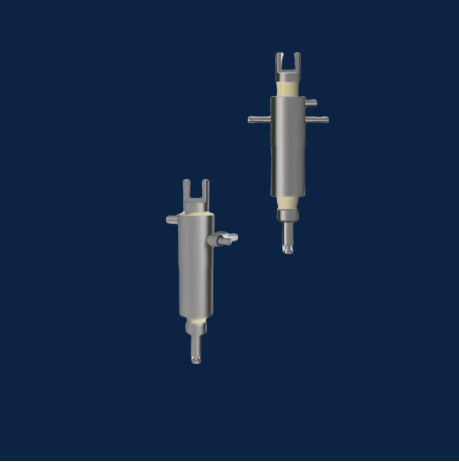
10 Benefits of Using a Ceramic Plunger Pump
1. Exceptional Wear Resistance
Zircone et alumine are among the toughest engineering materials that are available, having the highest levels of hardness, which is far above that of stainless steel. This hardness is directly translated into a smooth plunger surface that is resistant to abrasion and scoring even when pumping rough or particulate heavy fluids that could rapidly scratch the surface of a metal.
2. Résistance exceptionnelle à la corrosion
Ceramic is basically chemically inert, so it doesn’t really react with acids, alcalis, sels , or most industrial solvents the way metal often does. A cause de ça, les pistons en céramique deviennent un choix solide pour l'injection de produits chimiques, dessalement, et les travaux de désinfection où l'acier inoxydable se corroderait lentement, puis commencez à piquer.
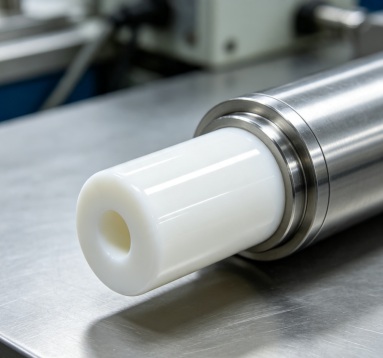
3. Durée de vie plus longue
La combinaison de la résistance à l'usure et à la corrosion s'ajoute à une durée de vie opérationnelle considérablement plus longue.. Certains modèles de pistons en céramique sont évalués pour des millions de cycles de service sans perte mesurable de précision – les pistons métalliques de référence s'approchent rarement dans les mêmes conditions de fonctionnement..
4. Zéro contamination par les ions métalliques
Étant donné que la céramique ne se corrode pas vraiment et ne rejette pas de particules métalliques dans le trajet du fluide, il finit pratiquement exempt de contamination par des ions métalliques. C'est une affaire énorme pour le dosage pharmaceutique, manipulation de l'électrolyte de la batterie, et de nombreuses autres utilisations de haute pureté où même une infime contamination par des métaux traces peut nuire à la qualité du produit final..
5. Performance d'étanchéité supérieure et fuite minimale
Des pistons en céramique peuvent être fabriqués, puis fini et poli selon des tolérances très serrées, et ils conservent cette géométrie exacte au fil du temps beaucoup plus régulièrement que le métal. Métal, Par exemple, peut se déformer un peu sous des cycles de pression répétés. Ainsi, vous obtenez une étanchéité plus sûre contre la garniture de la pompe., et cela signifie généralement moins de fuites, ainsi qu'une perte de pression réduite également.
6. Haute précision, Sortie de débit stable
Dans le cas du dosage et du dosage, la cohérence est tout aussi importante que la performance brute. Étant donné que la céramique résiste mieux à la déformation due à la pression et à la dilatation thermique que la céramique métallique, les pompes à piston en céramique fournissent plus de fiabilité, performances de débit stables, ce qui est l'une des principales raisons pour lesquelles ils sont utilisés dans les équipements de micro-remplissage et de dosage de précision.
7. Excellente stabilité thermique
Les matériaux céramiques conservent leurs propriétés mécaniques à toutes sortes de températures; c'est, ils ne souffrent pas des problèmes d'expansion ou de ramollissement qui peuvent affecter les pistons métalliques lorsqu'ils sont chauffés pendant de longues périodes. C'est pourquoi ils sont parfaitement adaptés aux équipements de nettoyage à haute température ainsi qu'aux procédés chimiques extrêmement exigeants..
8. Friction inférieure, Fonctionnement plus fluide
Les surfaces en céramique ont un coefficient de friction naturellement élevé, ce qui minimise l'accumulation de chaleur pendant le fonctionnement et réduit l'usure des joints et des garnitures.. Dans le temps, cela peut se traduire par un, fonctionnement plus efficace de la pompe, par rapport aux plongeurs métalliques qui fonctionnent sous la même contrainte.
9. Coûts de maintenance et de temps d’arrêt réduits
Chacun des avantages ci-dessus est amplifié par un résultat commercial simple : moins de pannes et des intervalles plus longs entre les remplacements.. Dans le cas d'opérations qui font fonctionner les pompes en permanence, le temps d'arrêt réduit, ce qui est souvent imprévu, dépasse le coût initial des pièces en céramique au cours des premières années d'exploitation environ.
10. Polyvalence sur les supports agressifs et sensibles
Quelques matériaux sont capables de gérer les deux extrêmes, capable de gérer les boues abrasives d'un côté tout en fournissant des liquides pharmaceutiques ultra-purs de l'autre. Les pistons en céramique peuvent faire les deux et créer une plate-forme de pompe complète qui peut être utilisée sur une plus grande plage qu'une conception uniquement métallique ne pourrait le permettre..
Où sont utilisées les pompes à piston en céramique?
La combinaison de solidité et de résistance chimique fait des pompes à piston en céramique la solution idéale pour un large éventail d'industries.. Pour équipements de nettoyage haute pression, ils prolongent la durée de vie des pompes lorsque les unités fonctionnent en continu avec de lourdes charges. C'est dans le traitement chimique qu'ils sont capables de gérer les transferts de fluides corrosifs et le dosage précis., sans dégrader. Les équipements de laboratoire et pharmaceutiques en dépendent pour une distribution précise sans contaminants. L'industrie en croissance rapide des batteries et des énergies renouvelables utilise des pompes à piston en céramique pour assurer un dosage précis des produits chimiques et des électrolytes.. Dans le secteur agricole, ils sont utilisés pour les systèmes d'irrigation ainsi que pour les pulvérisateurs de pesticides exposés à des résidus chimiques et abrasifs, tandis que les installations municipales de traitement de l'eau comptent sur elles pour transférer en toute sécurité les agents de traitement chimiques corrosifs à l'usage..
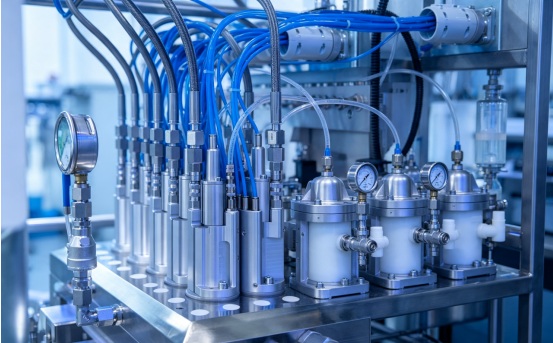
Comment choisir la bonne pompe à piston en céramique
Le processus de sélection du bon piston en céramique commence par la connaissance des caractéristiques de votre fluide.: est-ce corrosif, abrasif ou sensible à la pureté? La qualité de céramique que vous recherchez répond-elle aux exigences? Alors, assurez-vous que la pression nominale de la pompe ainsi que la plage de température correspondent aux conditions de votre fonctionnement, car même le piston en céramique le plus robuste doit être sélectionné avec la conception correcte de la pompe pour répondre à vos besoins. Les exigences de débit sont également importantes pour le transfert industriel qui nécessite une conception différente d'une mesure précise.. Assurez-vous de déterminer le matériau céramique selon lequel le piston est en zircone ou en alumine., puisque les deux offrent des avantages différents en termes de ténacité, dureté et prix, et vous devriez travailler avec une entreprise capable d'ajuster les tolérances à vos besoins particuliers.
Chaque avantage de cette liste renvoie réellement à la même cause profonde: la céramique est un matériau plus dur et également plus stable chimiquement, De plus, il reste dimensionnellement plus cohérent que le métal.. Vous voyez donc régulièrement des pompes à piston en céramique apparaître dans les installations industrielles les plus difficiles, du déplacement de produits chimiques corrosifs jusqu'au dosage pharmaceutique ultra-précis.. Si votre opération implique une haute pression, produits chimiques agressifs, ou fluides sensibles à la pureté, cela vaut la peine d'évaluer si une pompe à piston en céramique pourrait réduire vos coûts de maintenance et vos temps d'arrêt. Céramique Jifeng fabrique des composants en céramique de précision, y compris les pistons et plongeurs en céramique, conçus à partir de matériaux avancés comme la zircone et l'alumine — explorez Jifeng Ceramics pour en savoir plus sur les solutions de pistons en céramique personnalisées pour votre application.
Foire aux questions
Les pompes à piston en céramique sont-elles supérieures aux pompes à piston en acier inoxydable?
Pour utilisations corrosives ou abrasives ou de haute pureté Oui, les pistons en céramique surpassent généralement l'acier inoxydable en termes de résistance à la corrosion, résistance à l'usure, et le contrôle de la contamination, bien que l'acier inoxydable puisse toujours être une option viable dans des conditions de fonctionnement moins difficiles.
Combien de temps dureront les pistons en céramique?
La durée de vie peut varier en fonction du type d'application, cependant, les pistons en céramique sont généralement testés pendant des millions d'heures, pistons à dépassement important en métal dans des conditions similaires.
Les pompes à piston en céramique peuvent-elles être utilisées pour traiter des produits chimiques corrosifs?
Oui. L’inertie chimique de la céramique lui permet de résister aux acides, sels alcalins, alcalis, et la majorité des solvants industriels susceptibles de corroder les composants métalliques à terme.
Les pistons en céramique sont-ils plus chers que ceux en métal?
Les coûts initiaux sont généralement plus élevés, cependant, la durée de vie plus longue et la maintenance moindre rendent généralement les pistons en céramique efficaces pendant leur durée de fonctionnement..
