 Цзифэн Керамика

В сфере промышленного производства, Выбор материалов компонентов напрямую влияет на производительность, продолжительность жизни, and maintenance costs of equipment. In the past, metal rods, due to their excellent processing properties and mechanical strength, have always been the main structural components in mechanical equipment. Однако, with the rapid development of semiconductor, automation, new energy, medical equipment, and chemical industries, traditional metal materials have gradually revealed problems such as insufficient wear resistance, susceptibility to corrosion, electrical conductivity, and large thermal expansion.
Precise ceramic rods, with their outstanding properties of high-temperature resistance, износостойкость, коррозионная стойкость, и стабильность размеров, are increasingly becoming the preferred materials for high-end industrial equipment. From semiconductor equipment to chemical pumps and valves, and to aerospace structural components, the application scenarios of ceramic rods are constantly expanding.
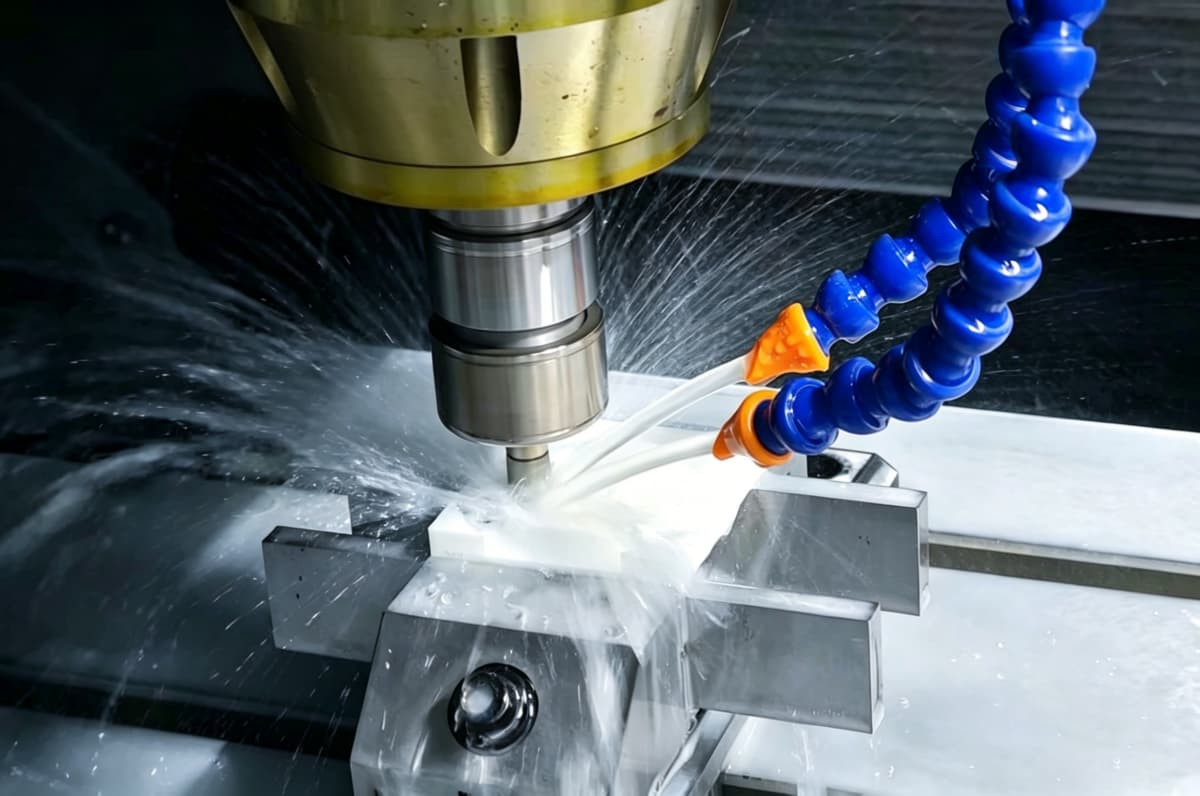
Comparison of Common Materials for Ceramic Rods
The main materials of ceramic rods include alumina (Al₂O₃), цирконий (ZrO₂), карбид кремния (Карбид кремния), и нитрид кремния (Си₃N₄), и т. д.. The performance differences among these materials are significant:
| Материалы | Main advantages | Maximum operating temperature | Твердость (ВН) | Typical features | Relative cost |
| Al₂O₃ – оксид алюминия | High cost-effectiveness, good insulation, износостойкий | 1600-1700°С | 1500-1800 | Advanced technology, wide application | Низкий |
| ZrO₂ – оксид циркония | Высокая прочность, высокая механическая прочность | 1000-1200°С | 1200-1400 | Strong impact resistance | Medium-high |
| Карбид кремния – Карбид кремния | Чрезвычайно высокая твердость, высокая термостойкость, стойкость к окислению | 1400-1600°С | 2400+ | Resistant to plasma corrosion | In China |
| Си₃N₄ – Нитрид кремния | Высокая прочность, легкий, heat shock resistance | 1200-1400°С | 1400-1800 | Excellent comprehensive mechanical properties | Высокий |
Among them, the alumina ceramic rods are the most widely used type due to their low cost and mature technology; the silicon carbide ceramic rods perform exceptionally well in high-temperature corrosive environments; and the zirconia ceramic rods are suitable for applications requiring certain toughness.
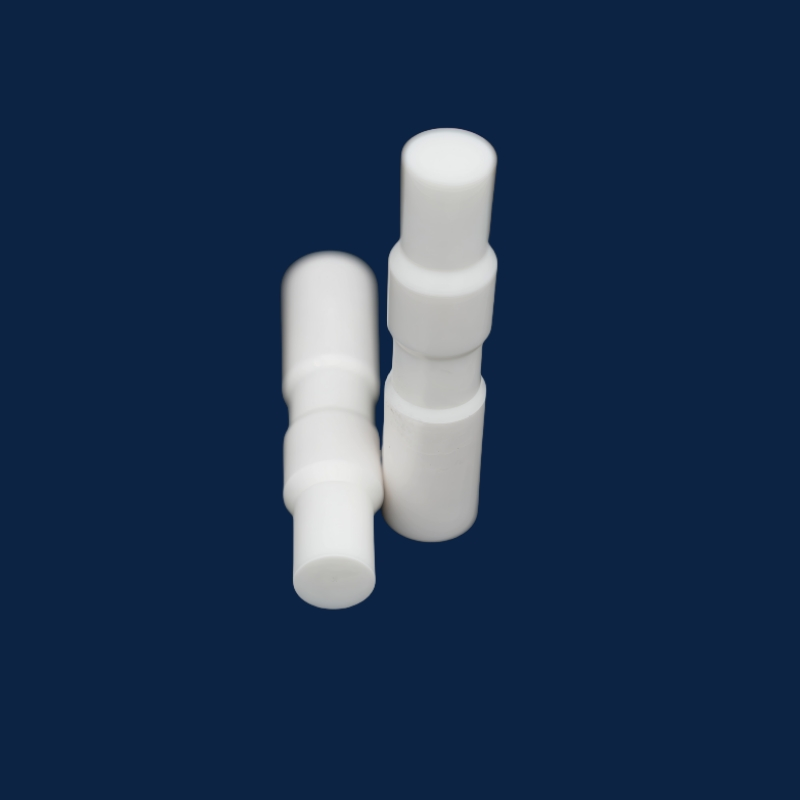
What are The Typical Аpplications of Сeramic Рods?
Semiconductor manufacturing equipment
The semiconductor industry has extremely high requirements for the cleanliness, dimensional stability and high-temperature resistance of components.
Ceramic rods are commonly used for:
- Система обработки пластин
- Vacuum equipment support component
- Positioning mechanism
- Insulating support assembly
Advanced ceramics do not produce pollution particles like some metal materials do. They also possess excellent electrical insulation properties, making them one of the important materials for semiconductor devices.
Химическое оборудование
The chemical industry often involves corrosive media such as acids, bases and organic solvents.
Ceramic rods can be applied to:
- Pump shaft
- Valve guide rod Mixing equipment
- Transportation system
Compared with metal materials, ceramic rods have a stronger resistance to corrosion. Even when exposed to chemical media for a long time, they can maintain stable performance, thereby enhancing the reliability of the equipment.
Textile machinery
The guide parts, guide wires and wear-resistant components in textile equipment need to operate at high speed for a long time.
Ceramic rods can effectively reduce the friction coefficient, minimize the wear of yarns, and possess excellent wear resistance. Поэтому, they are widely used in:
- Guide wire rod
- Guide line rod Roller
- Tension control component
Its stable surface finish also helps to improve product quality.
Electronic and electrical equipment
The electronics industry demands that the materials possess excellent insulation properties while also being able to withstand high temperatures.
Ceramic rods can be used for:
- Electrical insulation parts
- High-frequency equipment support components
- PCB fixtures
- Testing fixtures
Especially the alumina ceramic rods, which possess both insulation properties and mechanical strength, are one of the most widely used materials in electronic devices.
Medical equipment
Modern medical equipment is increasingly emphasizing high precision, corrosion resistance and ease of cleaning.
Ceramic rods are commonly used for:
- Medical instruments
- Laboratory equipment
- Precision detection devices
- Automated medical equipment
Циркониевая керамика, due to their high toughness and good biocompatibility, are also widely used in some medical fields.
Automation and Precision Machinery
With the development of industrial automation, more and more equipment requires maintaining high precision operation for a long time.
Ceramic rods can be used for:
Precise positioning mechanism
Guiding system
Automated assembly equipment
Robot motion mechanism
Due to its low coefficient of thermal expansion, even if the equipment operates for a long time or the environmental temperature changes, the ceramic rod can still maintain a stable size, which helps to improve the overall accuracy of the entire machine.
Core Performance Advantages of Ceramic Rods
Compared to traditional metal rods, ceramic rods have the following outstanding advantages:
- Extremely long service life: Excellent wear resistance and corrosion resistance, reducing the frequency of replacement
- High dimensional stability: Низкий коэффициент теплового расширения, suitable for precise assembly
- Outstanding electrical properties: Most ceramic rods have good insulation properties
- No pollution: Particularly suitable for semiconductor and pharmaceutical fields
- Легкий: Density is usually only 1/3 – 1/2 of that of metals
Конечно, there is also a limitation of high brittleness for ceramic rods. Однако, this can be effectively avoided through reasonable structural design and material selection.
How to Choose the Right Ceramic Rod Material
Different ceramic materials are suitable for different application environments, so it cannot be simply concluded that any one material is “the best”.
Alumina ceramic
It has balanced comprehensive properties, featuring excellent wear resistance, corrosion resistance and electrical insulation performance. It has a relatively low cost and is the most widely used ceramic material, suitable for most industrial equipment.
Циркониевая керамика
Have higher toughness and impact resistance, and are suitable for manufacturing high-precision and high-load structural components, such as precision shafts, positioning rods and plungers.
Silicon Nitride ceramics
It possesses high strength, excellent thermal shock resistance and outstanding fatigue resistance, making it highly suitable for high-speed bearings, rotating components and high-temperature equipment.
Silicon Carbide ceramics
They have extremely outstanding properties in terms of high temperature resistance, corrosion resistance and wear resistance, and are widely used in chemical equipment, насадки, seals and other harsh working conditions.
When selecting materials, one should take into account the actual operating conditions of the equipment, rather than merely focusing on the material names.
Key Factors to Consider When Ordering Custom Ceramic Rods
When selecting, it is recommended to focus on the following factors:
- Working temperature range
- Corrosiveness of the contacting medium
- Types of mechanical loads (tension, bending, impact)
- Precision requirements (diameter tolerance, straightness, surface roughness)
- Cost and lifespan balance
Цзифэн Керамика, as a professional manufacturer of technical ceramics, possesses a complete industrial chain capability ranging from powder synthesis to precision processing. It can provide customized ceramic rods of various materials such as high-purity Al₂O₃, ZrO₂, and SiC based on customer drawings. It supports complex structures, small sizes, and high precision requirements, with fast delivery and stable quality.
Заключение
Ceramic rods, as an important product form of technical ceramics, are playing a crucial role in an increasing number of high-end industrial sectors. From the cleanliness requirements of semiconductor equipment, to the corrosion resistance needs of chemical equipment, and to the lightweighting goals of aerospace, ceramic rods have demonstrated their indispensable value.
With the continuous upgrading of high-end manufacturing, the application prospects of ceramic rods will be even broader. For users who require high-performance structural components, choosing the appropriate ceramic rod material and a reliable supplier is an important step in enhancing equipment reliability and reducing long-term costs.
