 吉峰陶磁器
吉峰陶磁器

Advanced ceramics are known for being extremely hard and resistant to wear. They also handle heat well and resist many chemicals. Because of this, they show up in electronics, machines, medical parts, and other hot, tough settings. But the very same superior qualities make precision machining so difficult to attain.
Hard but, 金属とは異なります, brittle are the advanced ceramics. They are extremely sensitive to machining errors and are very subject to chipping, cracking and surface defects. This leads to a basic question: why is it so difficult to machine advanced ceramics to close dimensional tolerances? This is partly due to the material properties themselves, the sensitivity to fracture and the very specific processing requirements to ensure perfect surface quality during precision manufacturing.
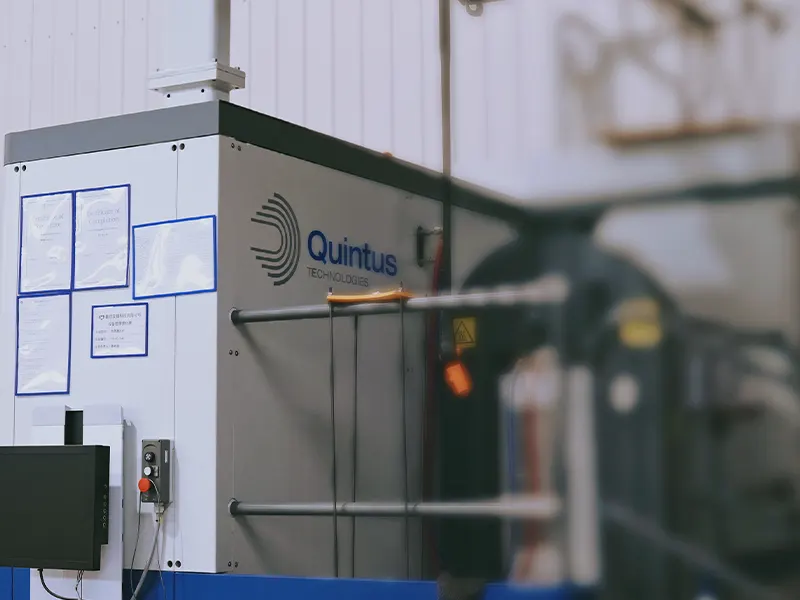
The Core Paradox: Useful Properties, Difficult Processing
One of the reasons ceramics are so frequently used in demanding applications is that they resist wear, heat and corrosion much better than metals. They are very hard and electrochemically inert, making them ideal bearing surfaces, but also making them extremely difficult to machine. Simply put, the qualities that engineers pay a premium for are the very qualities that fight back against every cutting tool that touches them.
Four Material Properties Behind the Machining Challenge
Extreme hardness makes tools wear quickly
Advanced ceramics rank near diamond for hardness. Carbide and high-speed steel tools dull sooner. That is why makers switch to diamond-coated or diamond-loaded tools, so cutting can stay stable for a full production run.
Low fracture toughness leads to cracks
Metals can bend before they fail. Ceramics tend to split instead. A cutting force can start a tiny break in a ceramic, and the crack can spread through the part.
Brittleness Limits Conventional Cutting Methods
Advanced ceramics are brittle and very hard. They are resistant to creep and have high tensile strength. That’s why these materials don’t respond well to conventional machining operations such as turning, milling and drilling – they tend to cause cracks, brittle fracture and edge chipping. This is also the reason why manufacturers rarely use the same machinery for ceramic components as they do for steel or aluminium workpieces.
Poor Thermal Shock Resistance Adds Risk
Rapid, localized heating from a cutting tool can create thermal gradients steep enough to trigger cracking before any mechanical force is even applied — a risk metals rarely face at comparable cutting speeds.
Where Things Go Wrong: Common Defects in Ceramic Machining
Even with the right equipment, three defects account for most scrapped parts:
- Subsurface damage — micro-cracks invisible to the eye that later cause in-service failure
- Edge chipping — material loss along corners and thin sections during grinding or drilling
- Dimensional deviation — inconsistent material removal rates that push a part out of tolerance
Even small variations in the abrasive behaviour in grinding, ラッピング, and polishing can lead to chipping, subsurface damage and unpredictable removal rates. One defect can ruin the entire part on parts that have tight tolerances.
Why It Costs More: The Economics of Ceramic Precision Machining
Ceramic machining isn’t just technically demanding — it’s expensive, and the numbers back that up. Machining typically accounts for 30–60% of the total cost of a finished ceramic part, and in some cases as much as 90%. That’s because achieving low surface roughness without sacrificing structural integrity requires slower feed rates, specialized abrasives, and far more scrapped material along the way than metal machining ever does. Cutting corners on process control doesn’t just risk one bad part — it risks the entire production batch.
How the Industry Solves It: Specialized Machining Methods
Diamond Grinding
The industry standard for finishing hard, brittle ceramics, diamond grinding removes material gradually enough to avoid triggering the crack propagation that conventional cutting causes.
Ultrasonic Machining
The high frequency vibration combined with an abrasive slurry allows material to be removed with much less mechanical stress than direct cutting, making it ideally suited to complex geometries.
EDM and Laser Machining
For complex shapes where mechanical contact is too risky, electrical discharge and laser methods shape the part without physically stressing the brittle structure.
Two-Stage Process Control
Manufacturers typically shape parts during “green machining,” before the material is fully sintered and still relatively soft, then perform “hard machining” after sintering to hit final tolerances — a sequencing decision that has a major impact on defect rates and cost.
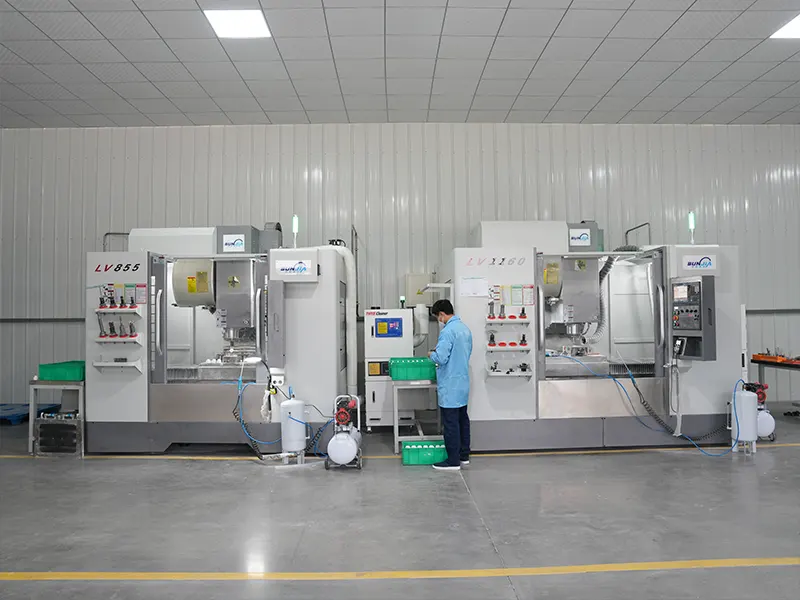
What Separates a Reliable Ceramic Manufacturer From the Rest
Given how easily ceramic parts can be ruined, the deciding factor isn’t which machine a supplier owns — it’s process discipline. That means matched tooling for each material grade, real-time in-process inspection, and a quality system that catches subsurface damage before it ships. If you control the whole chain – powder, 焼結, final CNC machining and testing – you are in a much better position to hold tolerance consistently than if you outsource any one step.
よくある質問
Can standard CNC tools machine advanced ceramics?
いいえ, not dependably. Standard carbide tools are not accurate enough to prevent microcracking and they wear out too fast, diamond tools and special parameters are needed.
What is the difference between green machining and hard machining?
Green machining is the process of machining the part before sintering, when the part is softer and easier to machine. Accurate tolerances are obtained by hard machining of the fully sintered, final-hardness part.
Is ceramic machining always more expensive than metal machining?
Generally yes — slower cutting speeds, specialized tooling, and higher scrap risk push machining costs well above what metal parts typically require.
The properties that make advanced ceramics valuable are the same ones that make them hard to shape — but with the right process controls and specialized equipment, that difficulty is manageable, not prohibitive. Choosing 吉峰陶磁器 manufacturer that understands this trade-off, rather than one applying metal-shop methods to a ceramic problem, is what determines whether a project ships on spec or ends up as scrap.
