 JiFeng-Keramik

In der Brennkammer eines Strahltriebwerks, oder in einem Halbleiter-Wafer-Prozessor, Die Temperaturen liegen oft über der Grenze, die Metallteile ohne Erweichung überstehen können, verziehen, oder völlig scheitern. Unter diesen Bedingungen funktioniert Hochleistungskeramik weiterhin; Jedoch, nicht alle tun dies gleichermaßen. Das von Ihnen verwendete Material ist von entscheidender Bedeutung; Die praktische Deckentemperatur einer Keramik könnte Hunderte von Grad niedriger sein als die einer anderen, und das Klima, in dem es funktioniert, kann die gesamte Antwort verändern. Lassen Sie uns die Gründe untersuchen, warum Keramik bei extremen Temperaturen gut funktioniert, Wo liegen die realen Grenzen ihrer Leistung und wie überlegen sich fortschrittliche Keramikmaterialien?.
Warum Hochleistungskeramik bei hohen Temperaturen besser abschneidet als Metalle
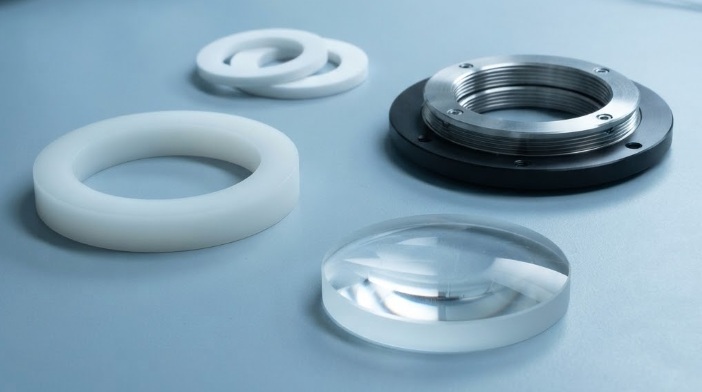
Metalle versagen bei hohen Temperaturen auf ziemlich vorhersehbare Weise, Atombindungen werden lockerer, das Material wird weicher, es kriecht unter Last, und dann schmilzt es irgendwann. Im Gegensatz, Hochleistungskeramik besteht aus ionischen Bindungen und kovalenten Bindungen, und diese sind bei höheren Temperaturen mehr oder weniger inhärent stabil, Sie folgen also nicht wirklich der gleichen Abschwächungskurve. Fügen Sie eine hohe Wärmeleitfähigkeit hinzu, starke Härtebeständigkeit, und feste chemische Inertheit, Und dieser Verbindungsaufbau ermöglicht es technischer Keramik, ihre strukturelle Integrität in Umgebungen zu bewahren, die oft weit über 1000 °C liegen und in denen die meisten Metalllegierungen und im Grunde alle Polymere bereits versagt haben.
Was eigentlich die Hochtemperaturleistung bestimmt? (Es ist nicht nur der Schmelzpunkt)
Das häufigste Missverständnis ist die Annahme, dass eine höhere Schmelztemperatur automatisch zu einer besseren Hochtemperaturleistung führt. In Wirklichkeit, Eine Vielzahl anderer Variablen ist ebenso wichtig, manchmal sogar mehr.
Maximale Betriebstemperatur vs. Schmelzpunkt
Der Schmelzpunkt einer Keramik und ihre praktisch maximale Gebrauchstemperatur sind zwei verschiedene Zahlen, und die Kluft zwischen ihnen kann erheblich sein. Lange bevor ein Material tatsächlich schmilzt, mechanische Festigkeit, Kriechfestigkeit, und die mikrostrukturelle Stabilität beginnt sich zu verschlechtern – weshalb Ingenieure unter Berücksichtigung der Betriebstemperaturgrenzen entwerfen, keine Schmelzpunkte.
Oxidierend vs. Inerte Atmosphäre
Dies ist wohl der am meisten vernachlässigte Aspekt bei der Auswahl von Hochtemperaturkeramik. Nichtoxidische Materialien wie Siliziumkarbid und Bornitrid können oxidieren, wenn sie bei hohen Temperaturen Sauerstoff ausgesetzt werden, und ihre tatsächlichen Einsatzgrenzen in der Luft erheblich senken, im Vergleich zu ihren theoretischen Fähigkeiten in einem Vakuum oder einer inerten Umgebung. Siliziumkarbid, als Beispiel, ist nicht in der Lage, unter Druck zu sublimieren, normalerweise wird es bei etwa 2.700 °C sublimiert, Die normale maximale Betriebstemperatur in der Luft liegt jedoch eher bei 1.600 °C, da Oxidation die Struktur der Oberfläche beeinträchtigt, bevor die Sublimation wichtig wird. Die Wahl eines Materials ohne Berücksichtigung der Betriebsumgebung gehört zu den am häufigsten getroffenen und kostspieligsten Materialentscheidungen.
Thermoschockbeständigkeit
Die Fähigkeit, hohen Temperaturen und schnellen Temperaturschwankungen standzuhalten, ist eine besondere technische Herausforderung. Materialien können eine hohe maximale Temperaturbeständigkeit aufweisen, versagen jedoch bei thermischen Wechselbelastungen, wenn sie nicht über eine Thermoschockbeständigkeit verfügen. Siliziumnitrid wird in diesem Bereich besonders für seine Leistung geschätzt und ist eine beliebte Option für Teile, die wiederholten Abkühl- und Erwärmungszyklen unterliegen, statt kontinuierlicher Wärme im konstanten Zustand.
Beibehaltung der mechanischen Festigkeit bei Temperatur
Endlich, Die Fähigkeit einer Keramik, ihre mechanische Festigkeit beizubehalten – und nicht nur ein Schmelzen zu vermeiden – bestimmt, ob sie strukturelle Belastungen bei Betriebstemperatur tragen kann. Also, wenn Sie die Materialauswahl treffen, Sie müssen sich die Festigkeits-bei-Temperatur-Daten ansehen, Schnappen Sie sich nicht nur eine einzige maximale Temperaturzahl und behandeln Sie sie wie die ganze Geschichte.
6 Wichtige fortschrittliche Keramikmaterialien bei extremen Temperaturen
Aluminiumoxid (Al₂O₃): Das kostengünstige Hochtemperatur-Arbeitstier
Aluminiumoxid ist eine der am häufigsten verwendeten technischen Keramiken. Typischerweise wird es je nach Reinheitsgrad für Betriebstemperaturen im Bereich von 1.500–1.750 °C getestet. Es bietet eine starke Gesamtstabilität sowie eine gute elektrische Isolierung und verfügt über ein niedriges Kostenprofil, das es zur Standardbasis für allgemeine Hochtemperatur-Strukturelemente vor spezifischeren macht (und teurer) An Materialien wird gedacht.
Zirkonoxid (ZrO₂): Außergewöhnliche Zähigkeit, Aber eine niedrigere thermische Decke
Zirkonoxid zeichnet sich durch eine Risszähigkeit aus, die weit über der anderer technischer Keramiken liegt. Jedoch, Seine maximale Betriebstemperatur liegt typischerweise etwa 1.200 °C unter der von Aluminiumoxid. Auch Zirkonoxid ist Voraussetzung für die Stabilisierung, normalerweise unter Verwendung von Yttriumoxid, um mit Phasenänderungen umzugehen, die bei hohen Temperaturen zu Dimensionsinstabilität führen können.
Siliziumnitrid (Si₃N₄): Gebaut für thermisches Radfahren
Die bemerkenswerteste Stärke von Siliziumnitrid ist seine Beständigkeit gegenüber Thermoschocks anstelle der höchsten absoluten Temperaturgrenze. Mit einer typischen oxidativen Umgebungsgrenze von etwa 1.200–1.300 °C — und höhere Toleranz in inerten Atmosphären — Es ist das Material der Wahl für Komponenten, die wiederholtem, schnellem Erhitzen und Abkühlen ausgesetzt sind, statt einer ständigen Beanspruchung im stationären Zustand, wie Motorteile für die Automobil- und Luft- und Raumfahrtindustrie.
Siliziumkarbid (SiC): Stärke, die extremer Hitze standhält
Siliziumkarbid ist ein Material, das die hohe Temperatur seiner Betriebsdecke vereint (rund 1600 °C an der Luft) mit hoher Wärmeleitfähigkeit, Dies macht es zu einer ausgezeichneten Wahl sowohl für strukturelle Anwendungen mit extremen Temperaturen als auch für Hochleistungselektronik, bei denen die Wärmeableitung ebenso wichtig ist wie die Hitzetoleranz. Zusätzlich, Die Leistung von Siliziumkarbid in inerten Umgebungen geht weit über die Grenzen hinaus, die der Luft ausgesetzt sind.
Bornitrid (BN): Eine der höchsten Wärmedecken
Abhängig von der jeweiligen Sorte und der umgebenden Atmosphäre, Bornitrid kann auf Betriebstemperaturen nahe 2.000 °C gebracht werden. Damit liegt es ziemlich nah an der Spitzenklasse der technischen Keramiken, die in sehr aggressiven thermischen Situationen eingesetzt werden. Im Vergleich zu vielen anderen Ultrahochtemperatur-Keramiken weist es außerdem eine bemerkenswert solide Bearbeitbarkeit auf, obwohl – wissen Sie, Im Einklang mit dem früheren Hinweis zur Atmosphäre hängt die „echte“ Temperaturobergrenze letztendlich stark davon ab, ob das Teil in einer oxidierenden Umgebung oder in einer kontrollierten Umgebung läuft.
Aluminiumnitrid (AlN): Hohe Wärmeleitfähigkeit trifft auf mäßige Hitzebeständigkeit
Aluminiumnitrid hat dieses herausragende Merkmal: Es verfügt über eine sehr hohe Wärmeleitfähigkeit und eine solide elektrische Isolierung, sodass es häufig für Halbleitersubstrate und Orte verwendet wird, an denen Wärme abgeführt werden muss. Auch wenn bestimmte Spezialqualitäten Betriebstemperaturen um 1.800–1.900 °C standhalten, AlN wird in der Regel nicht nur für extreme Höchsttemperaturen gewählt, sondern mehr wegen der besonderen Fähigkeit, Wärme schnell von empfindlichen elektronischen Bauteilen abzuleiten, zuverlässiger Weg.
Wo Leistung bei extremer Hitze wichtig ist
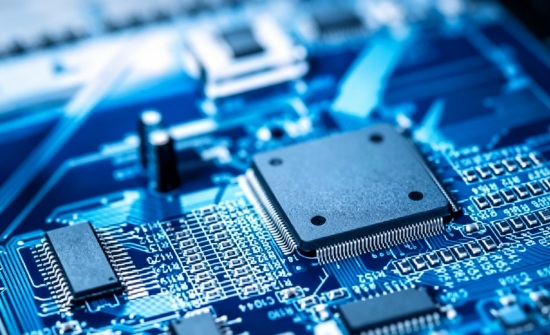
Diese Materialunterschiede sind nicht akademischer Natur – sie beeinflussen direkt, welche Keramik für welche Anwendung spezifiziert wird. Die Luft- und Raumfahrttechnik verlässt sich auf Siliziumnitrid und Siliziumkarbid für Verbrennungskomponenten von Strahltriebwerken und Wärmedämmanwendungen, bei denen sowohl Hitzebeständigkeit als auch Thermoschocktoleranz von Bedeutung sind. Die Halbleiterfertigung ist auf Aluminiumnitrid und hochreines Aluminiumoxid für Wafer-Bearbeitungskammern angewiesen, wo thermische Stabilität und elektrische Isolierung gleichzeitig wichtig sind. Chemische Verarbeitungsumgebungen, die oft hohe Hitze mit korrosiver Einwirkung verbinden, fordern häufig das Dual-Widerstandsprofil von Siliziumkarbid. Neue Energiegeräte – einschließlich Batteriesysteme und Wasserstoffinfrastruktur – greifen aufgrund ihrer kombinierten Verschleißfestigkeit zunehmend auf mehrere Keramikfamilien zurück, Korrosionsbeständigkeit, und Hochtemperaturstabilität, da die Energiewende Komponenten in anspruchsvollere Betriebsbedingungen bringt.
So wählen Sie die richtige Hochleistungskeramik für eine Hochtemperaturanwendung aus
Bei der Auswahl des geeigneten Materials kommt es darauf an, eine Reihe von Faktoren auf Ihre speziellen Bedürfnisse abzustimmen: der benötigte Temperaturbereich (nicht nur ein Worst-Case-Bereich) sowie ob die Arbeitsumgebung inert oder oxidierend ist oder ob das Teil Dauerwärme oder Temperaturwechseln ausgesetzt ist und welche physikalische Belastung es bei einer bestimmten Temperatur tragen muss, sowie das zur Verfügung stehende Budget, da Leistung und Preis innerhalb dieser Materialklasse tendenziell steigen.
Es gibt keine einzige “am besten” Fortschrittliche Keramik für extreme Hitze. Sie können nur diejenige auswählen, die dem Temperaturbereich Ihrer Atmosphärenbedingungen entspricht, und mechanische Anforderungen. Durch firmeninterne Forschung, Entwicklung und Umformung, Sintern, und präzise Bearbeitungsmöglichkeiten für Zirkonoxid, Aluminiumoxid, Siliziumkarbid, Siliziumnitrid, Bornitrid, und Aluminiumnitrid, JiFeng-Keramik kann Ihnen dabei helfen, das geeignete Material für Ihre spezifischen Temperaturanforderungen zu finden.
