 JiFeng-Keramik

Metall nutzt sich ab. Plastik schmilzt. In Halbleiterfabriken, Strahltriebwerke und chemische Reaktoren, Es wird erwartet, dass die Komponenten Temperaturen von mehr als 1000 °C und kontinuierlichem Abrieb standhalten, sowie chemisch ätzende Stoffe jahrzehntelang störungsfrei. Genau diese Lücke sollen technische Keramikteile schließen. Im Gegensatz zu der Keramik, die Sie im Küchenschrank finden, handelt es sich um langlebige Präzisionskomponenten, die für extrem anspruchsvolle Industrieumgebungen hergestellt werden. Dieser Leitfaden erklärt die Grundlagen dessen, was sie sind, wie sie erstellt werden und wo sie verwendet werden, und wie man den besten Lieferanten am besten auswählt.
Was sind technische Keramikteile??
Technische Keramikteile – auch Industrie- oder Hochleistungskeramik genannt – sind präzisionsgefertigte Komponentenarten, Hergestellt aus anorganischen, nichtmetallischen Materialien und durch Hochtemperaturverarbeitung geformt, damit sie besondere mechanische Eigenschaften liefern können, Thermal-, oder elektrisches Verhalten. Im Vergleich zu herkömmlicher Keramik, die normalerweise auf das Aussehen abzielen, und werden oft bei niedrigeren Temperaturen gebrannt, Technische Keramikprodukte sind grundsätzlich leistungsorientierte Materialien. Sie werden gepflückt, dann behandelt, für Langlebigkeit und Zuverlässigkeit unter Belastung, Hitze, oder anspruchsvolle Bedingungen.
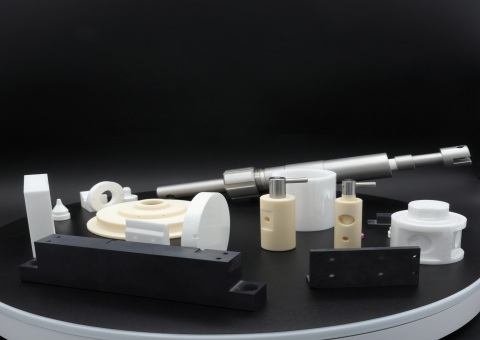
Technische Keramik vs. Traditionelle Keramik
Der Unterschied liegt im Zweck. Keramik der traditionellen Art — Keramikgeschirr und dekorative Fliesen, sowie Keramik sind wegen ihrer Schönheit und Haltbarkeit begehrt. Technische Keramik kann als funktionelle und langlebige Materialien beschrieben werden, die aus präzisen Partikeln hergestellt werden, Größe, Reinheit und Mikrostruktur, messbare Leistung zu erbringen, wie z. B. spezifische Zähigkeit, Stärke der dielektrischen oder thermischen Leitfähigkeitszahlen, die Ingenieure erstellen können.
Schlüsseleigenschaften, die technische Keramik ausmachen
Der Grund, warum diese Substanzen ideal für raue Umgebungen sind, lässt sich auf eine Reihe grundlegender Eigenschaften zurückführen:
- Hohe Härte und Verschleißfestigkeit – technische Keramik ist im Umlauf 8 Zu 9 auf der Mohs-Skala, ziemlich nah an Diamant
- Thermische Stabilität – können in bestimmten Mischungen ihre strukturelle Form über 1000 °C beibehalten , allerdings nicht immer gleich
- Elektrische Isolierung – entscheidend für Teile, die sich in der Nähe von Hochspannungsanlagen oder Hochfrequenzgeräten befinden
- Chemikalien- und Korrosionsbeständigkeit – im Allgemeinen inert gegenüber Säuren , Laugen und auch geschmolzene Metalle, Sie reagieren also nicht wirklich so, wie man es erwarten würde
Gängige Materialien für technische Keramikteile
Nicht alle technischen Keramiken sind gleich, anders Grundmaterial Die Auswahl hängt davon ab, welche Art von technischem Problem Sie lösen möchten.
Aluminiumoxid (Al₂O₃) ist wahrscheinlich die am weitesten verbreitete technische Keramik, weil es den optimalen Punkt der Kosteneffizienz trifft, elektrische Isolierung, und Verschleißfestigkeit, insgesamt in vielen Industrieberufen.
Zirkonoxid (ZrO₂) ist für seine außergewöhnliche Bruchzähigkeit bekannt, manchmal nennen es die Leute “Keramikstahl” da es Rissen widerstehen kann, wenn die mechanische Belastung zu groß wird, insbesondere für Strukturteile, die Stößen ausgesetzt sind.
Siliziumnitrid (Si₃N₄) Bietet eine hervorragende Beständigkeit gegen Thermoschocks, Daher wird es häufig für Komponenten ausgewählt, die einen Zyklus durchlaufen, schnell zwischen heißen und kalten Bedingungen wechseln.
Siliziumkarbid (SiC) Bietet extreme Härte und starke Korrosionsbeständigkeit und zeigt sich häufig bei der Halbleiterverarbeitung, und in chemischen Anlagen, wenn Gegenstände aggressiven Medien ausgesetzt sind.
Aluminiumnitrid (AlN) sorgt für eine hohe Wärmeleitfähigkeit und eine solide elektrische Isolierung, Irgendwie eine ungewöhnliche Kombination, Daher ist es ideal für die Wärmeableitung in elektronischen Bauteilen.
Bornitrid (BN) Bietet natürliche Gleitfähigkeit und auch elektrische Hochtemperaturisolierung, Daher wird es in speziellen Ofenanlagen und elektrischen Anwendungen eingesetzt, wo Stabilität zählt.
Wie technische Keramikteile hergestellt werden
Die Herstellung eines technischen Keramikprodukts ist ein mehrstufiger technischer Prozess und kein einfacher Formprozess:
- Pulverformulierung & Materialsynthese – zuerst, Rohkeramikpulver werden ausgewählt und gemischt, um genaue Reinheits- und Partikelgrößengrenzen einzuhalten, mit sorgfältiger Aufmerksamkeit auf das, was in der Chemie steckt.
- Formen – dann wird das Pulver durch Pressen in einen „Grünling“ verwandelt, Spritzguss, oder Extrusion, abhängig davon, wie die Teilegeometrie aussieht.
- Sintern – anschließend wird das geformte Stück auf eine sehr hohe Temperatur erhitzt, die Partikel verbinden sich und verriegeln sich, und dort findet das Material seine endgültige Dichte, Härte, plus Kraft.
- Präzisionsbearbeitung & Qualitätsprüfung – weil Keramik beim Sintern schrumpft und nach dem Brennen schwer zu formen ist, Die endgültigen Abmessungen werden normalerweise durch Diamantschleifen oder CNC-Bearbeitung ermittelt, Anschließend bestätigen Maßprüfungen und Leistungstests, dass alles wie erwartet funktioniert.
 Gängige Arten technischer Keramikteile
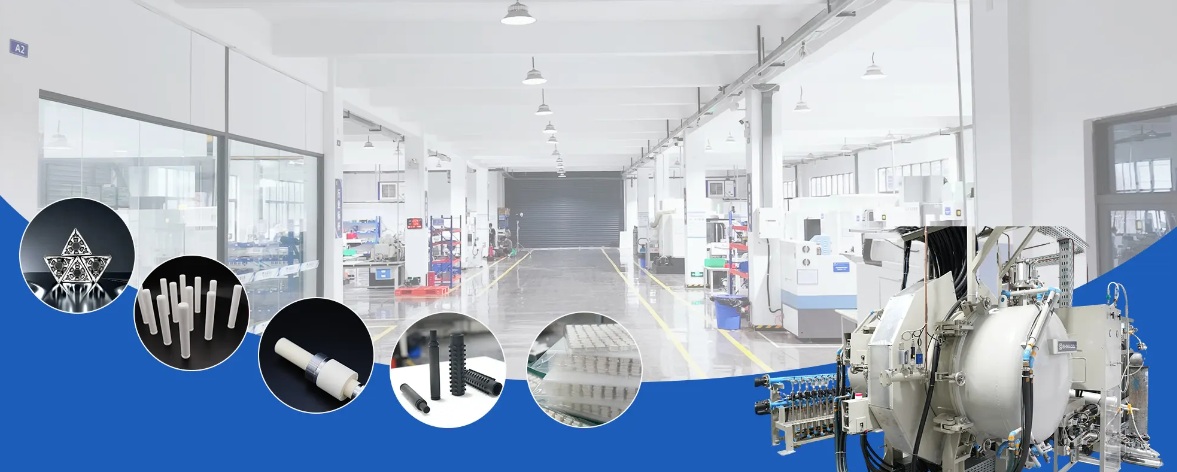 Gängige Arten technischer Keramikteile
Technische Keramik werden in verschiedensten Bauteilgeometrien gefertigt, einschließlich:
Keramikstäbe & Rohre – werden als strukturelle Stützen verwendet, Isolatoren, oder verschleißfeste Führungen
Keramikringe & Ärmel – häufig bei Robben, Lager, und rotierende Ausrüstung
Keramische Ventilkomponenten – Ventilscheiben und -sitze, die abrasiven oder korrosiven Medien ausgesetzt sind
Keramische Strukturkomponenten – kundenspezifische Teile wie Dosierdüsen, Keramikarme, oder Schieber, die für bestimmte Geräte entwickelt wurden
Hauptanwendungen technischer Keramikteile
Aufgrund ihrer unverwechselbaren Kombination von Eigenschaften, Technische Keramik wird in einer Vielzahl von Branchen eingesetzt, in denen sie benötigt wird:
- Halbleiterfertigung – Bauteile, die einem Hochvakuum ausgesetzt sind, Plasma und extreme Temperaturen, die in der Wafer-Prozessausrüstung verwendet werden
- Luft- und Raumfahrt – leichte, hitzebeständige Bauteile für Triebwerke sowie Wärmeschutzsysteme.
- Chemische Verarbeitung- Pumpen- und Ventilelemente, die gegen korrosive Lösungsmittel und Säuren beständig sind
- Medizinisch & Präzisionsinstrumente – biokompatibel, verschleißfeste Komponenten für diagnostische und chirurgische Instrumente
- Verschleißteile für Industriepumpen — Ärmel, Kolben und Dichtungen, die ständigen Stößen ausgesetzt sind
So wählen Sie eine aus Hersteller technischer Keramikteile
Nicht jeder Anbieter beherrscht die gesamte Komplexität der keramischen Bauteilfertigung. Bei der Bewertung eines Herstellers, halten:
Materialbereich – decken sie mehrere Keramiksysteme ab?, wie Aluminiumoxid bis hin zu Siliziumkarbid, statt nur einer Option?
Eigene Produktionskette – betreiben sie ihr eigenes R?&D, Bildung, Sintern, Bearbeitung, und Testschritte intern, Oder geben sie die „kritischen“ Teile stillschweigend an jemand anderen ab??
Anpassung und Prototyping-Geschwindigkeit – können sie benutzerdefinierte Geometrien produzieren und enge Toleranzen einhalten, ohne dass Sie ewig warten müssen??
Zertifizierungen und Exporterfahrung – übernimmt die Dokumentation, Qualitätsunterlagen und Versand-Know-how entsprechen den tatsächlichen Anforderungen Ihres Projekts für die internationale Arbeit?
Technische Keramikteile lösen ein spezifisches technisches Problem, Dadurch bleiben die Komponenten funktionsfähig, wenn Kunststoff und Metall unter extremer Hitze versagen, Dauerverschleiß, oder abrasiver chemischer Einwirkung. Das Verständnis der verschiedenen Materialien sowie des Herstellungsprozesses und ihrer Anwendungseignung ist der erste Schritt bei der Auswahl der geeigneten Komponente für Ihre Anforderungen. Wenn Sie technische Keramik für ein zukünftiges Projekt in Betracht ziehen, Wir arbeiten mit einem Unternehmen zusammen, das die gesamte Produktionskette vom Rohmaterial bis zum fertigen Produkt verwaltet, Die getestete Komponente ist die effizienteste Methode, um eine konsistente Leistung sicherzustellen.
FAQ
Was ist der Hauptunterschied zwischen technischer Keramik und Industriekeramik??
Die Begriffe werden häufig synonym verwendet, um sich auf Keramik zu beziehen, die für den Einsatz in Anwendungen entwickelt wurde, die eine hohe Leistung erfordern, und nicht auf traditionelles Tischgeschirr oder dekorative Keramik.
Sind technische Keramiken spröde??
Viele technische Keramiken sind weniger zäh als Metalle und können bei plötzlichen Stößen reißen. Jedoch, Bestimmte Materialien wie Zirkonoxid wurden speziell entwickelt, um die Haltbarkeit zu erhöhen, und eine gut geplante Gestaltung des Teils verringert das Risiko.
Können technische Keramikteile mit präzisen Toleranzen hergestellt werden??
Ja. Nach dem Sintern, Komponenten werden in der Regel durch Diamantschleifen oder CNC-Maschinen bearbeitet, um exakte Maßtoleranzen zu gewährleisten, die für die anspruchsvollsten industriellen Anwendungen erforderlich sind.
